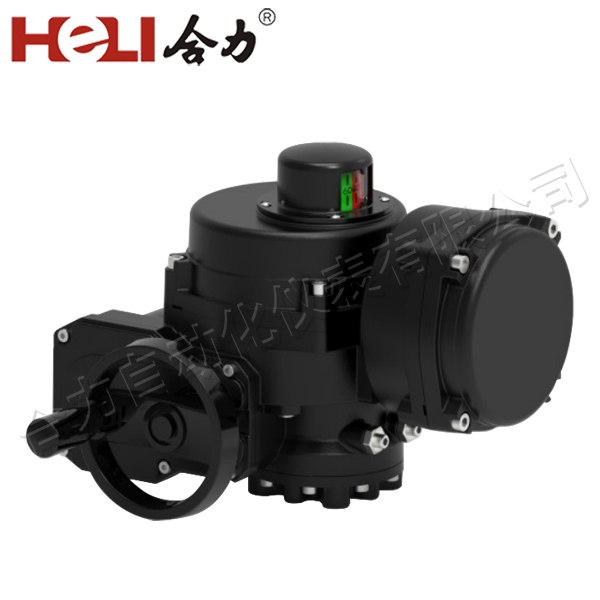
Lithium battery electric actuators (LBEAs) represent a significant advancement in the field of automation and control systems. These actuators, powered by lithium-ion batteries, combine the precision and efficiency of electric actuators with the long-lasting power of lithium batteries. This article will explore the advantages, technological features, and various applications of LBEAs, shedding light on why they are becoming an increasingly popular choice in numerous industries.
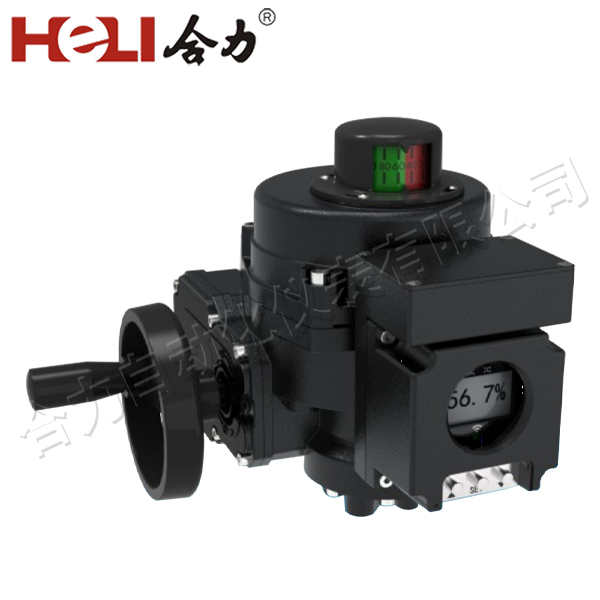
What is a Lithium Battery Electric Actuator?
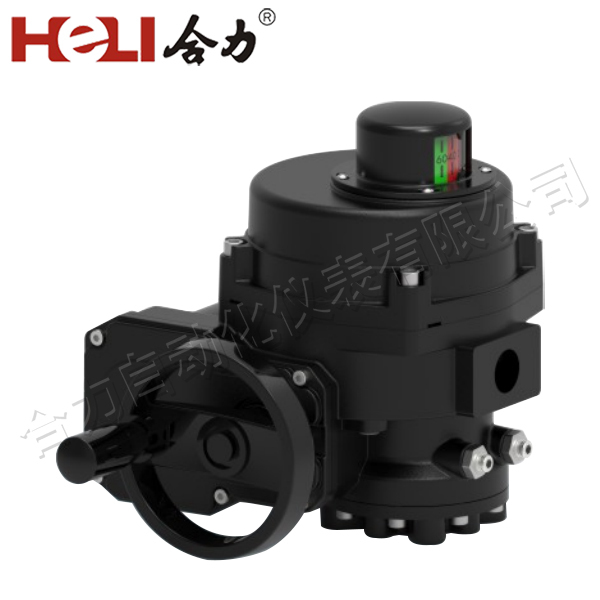
A lithium battery electric actuator is a mechanical device that converts electrical energy into mechanical motion, driven by a lithium-ion battery. Electric actuators, in general, are used to automate the movement of systems in industrial machinery, robotics, or consumer products. They can control linear or rotary motions with great precision and can be controlled by an electrical signal, making them more efficient than their pneumatic or hydraulic counterparts. The key distinction of a lithium battery electric actuator is its power source. Rather than relying on an external power supply or complicated hydraulic systems, LBEAs are equipped with lithium-ion batteries, known for their energy density, light weight, and long service life. This integration makes LBEAs highly portable, efficient, and capable of providing reliable performance in environments where traditional power sources might be impractical.