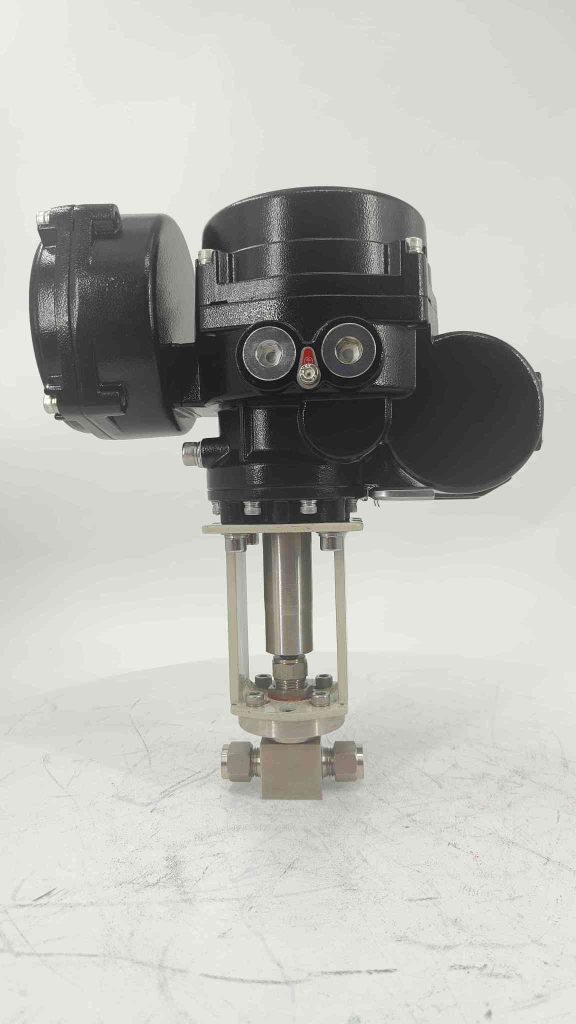
Lithium-ion batteries have become an essential part of modern technology, powering everything from smartphones and laptops to electric vehicles and energy storage systems. However, the widespread use of lithium-ion batteries also brings with it concerns about safety, particularly when it comes to thermal runaway, overcharging, and pressure buildup. One critical component designed to mitigate these risks is the Lithium battery valve, often referred to as a safety valve or pressure relief valve. This article explores the function, importance, and applications of lithium battery valves, shedding light on their role in ensuring the safety and reliability of lithium-ion batteries.
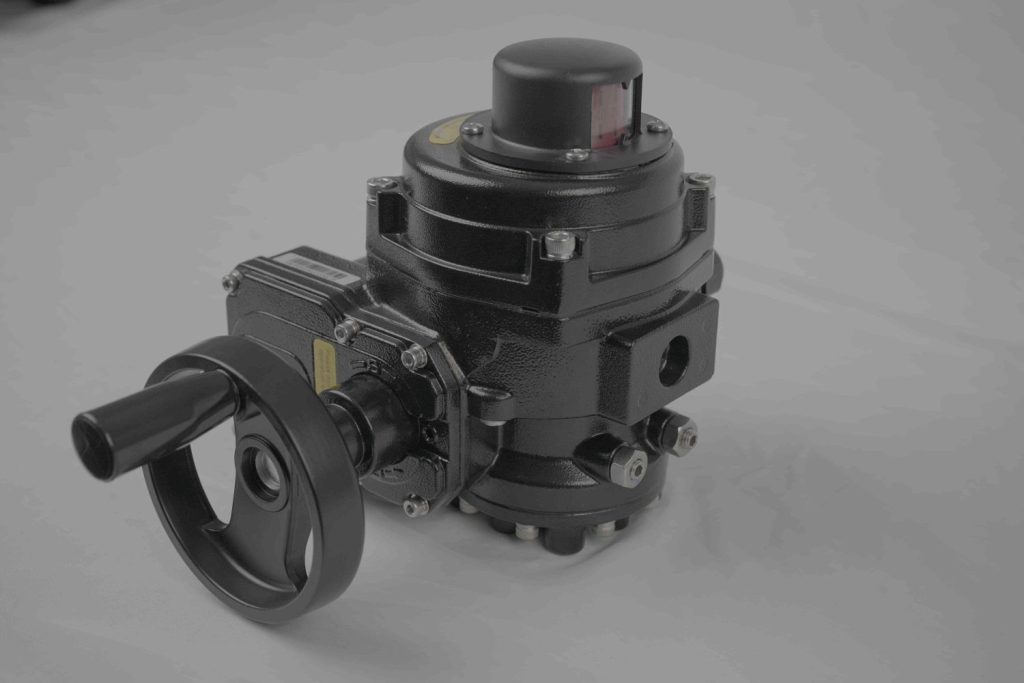
What is a Lithium Battery Valve?
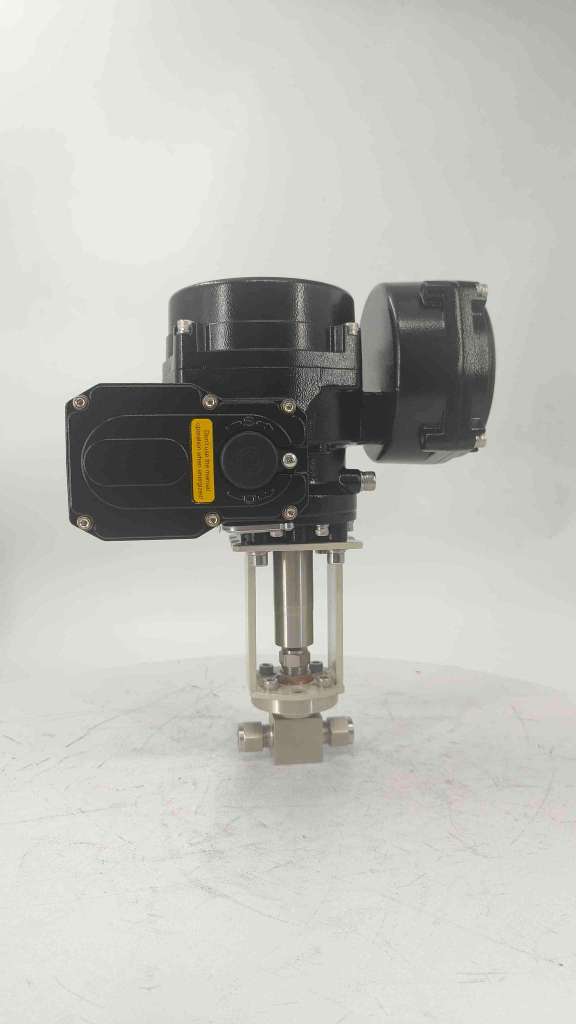
A Lithium battery valve is a small but vital device incorporated into the design of lithium-ion batteries to manage the internal pressure. As batteries charge and discharge, chemical reactions and the movement of ions within the cell generate heat, which in turn can increase the internal pressure. In extreme cases, this pressure buildup could cause the battery to rupture, leak, or even explode. The primary role of the valve is to release excess pressure and prevent catastrophic failure due to overpressure. The valve typically consists of a pressure-sensitive membrane or rupture disk that remains sealed under normal operating conditions. When the internal pressure of the battery exceeds a certain threshold—usually due to a fault condition such as overheating, overcharging, or internal short-circuiting—the valve opens to allow the release of gases or fluid, thus lowering the internal pressure and reducing the risk of failure.