In various industries, the safety of personnel should always be a top priority, particularly during the maintenance or servicing of machinery and equipment. The use of lock out equipment is a critical component of a safety strategy known as Lockout/Tagout (LOTO), which is designed to protect workers from the unexpected release of hazardous energy while they are involved in service or maintenance activities. This article aims to explore the importance of lock out equipment, its components, procedures, and the overall impact on workplace safety.
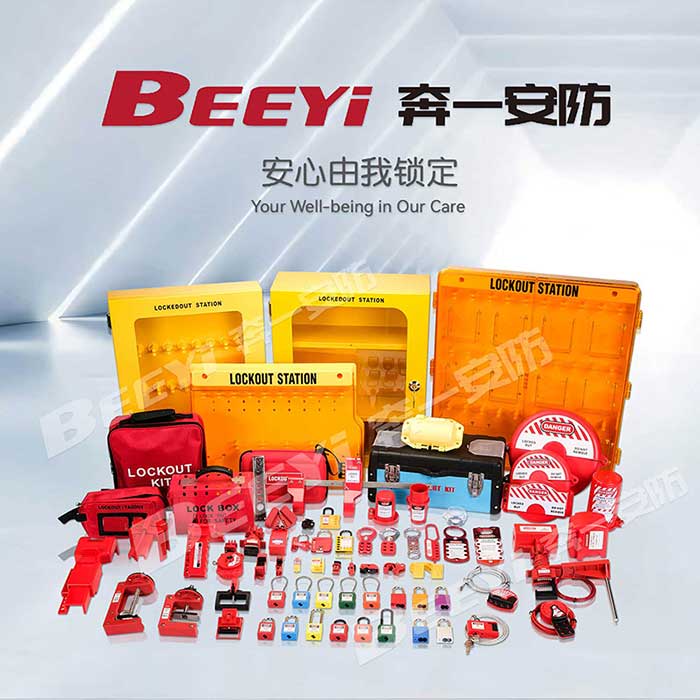
What is Lock Out Equipment? Lock out equipment refers to the devices and tools used to isolate energy sources, thereby preventing accidental start-up or release of energy during maintenance tasks. This equipment typically includes lockout devices, safety locks, and tags that warn others not to operate the machinery. The fundamental principle of lock out equipment is to ensure that only authorized personnel can access and operate machinery during maintenance tasks. Components of Lock Out Equipment Lockout Devices: These are physical devices that prevent the operation of machinery. Examples include padlocks, locking tags, and hasps. These devices are designed specifically to fit the various energy isolation points of different machinery.