Lockout Tagout (LOTO) locks are a vital safety mechanism designed to protect workers from the dangers associated with machinery and equipment during maintenance, repair, or servicing. LOTO locks are part of a larger safety procedure known as Lockout Tagout, which ensures that equipment is completely de-energized and unable to start during maintenance or repair operations. The effectiveness of this safety protocol relies on strict adherence to specific procedures, including the use of locks, tags, and training, all aimed at minimizing the risks of accidents and injuries in industrial environments. In this article, we will delve into the significance of Lock Out Tag Out locks, the procedures involved, and the best practices for ensuring a safe working environment.
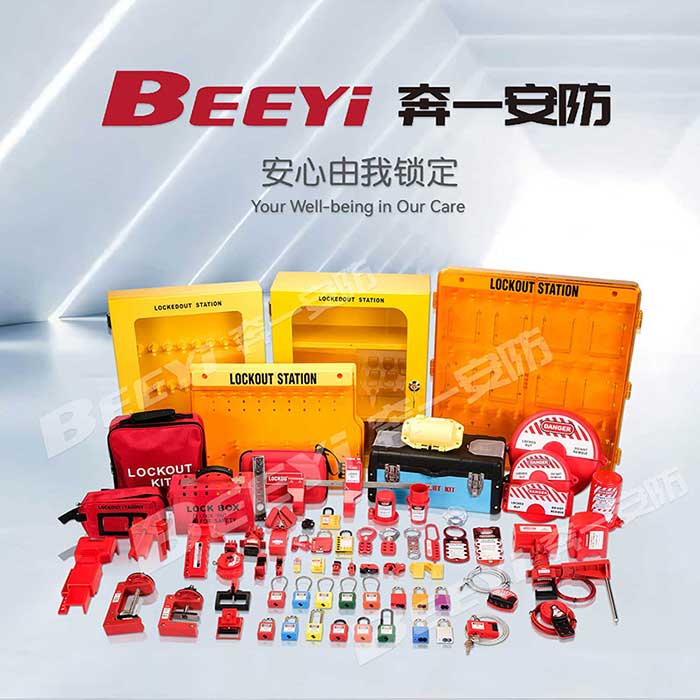
The Importance of Lock Out Tag Out Locks The primary function of Lock Out Tag Out locks is to prevent unauthorized or accidental equipment startup during maintenance or repair. Industrial machines, while essential for production, can pose serious risks if not properly controlled during servicing. Without LOTO locks, a worker may unknowingly attempt to operate a piece of machinery that is still in a hazardous state, leading to serious injuries or fatalities. LOTO locks work by physically locking the machine’s power source, making it impossible for it to be started without first removing the lock. These locks are typically robust, requiring a key or a combination to unlock, ensuring that only authorized personnel can perform the maintenance or repair. Additionally, LOTO tags are attached to each lock, providing a visible indicator that maintenance work is underway, along with vital information such as who is performing the work and when it began.