Lockout/Tagout (LOTO) is a crucial safety procedure that plays an indispensable role in preventing workplace injuries and fatalities. This procedure is primarily used to control hazardous energy during maintenance, servicing, or repair of machinery and equipment. Lockout/Tagout locks, along with associated devices and procedures, ensure that workers are protected from the accidental release of hazardous energy while working with machines. In this article, we will explore the significance, types, and application of Lock Out Tag Out locks, providing an in-depth understanding of how they contribute to workplace safety.
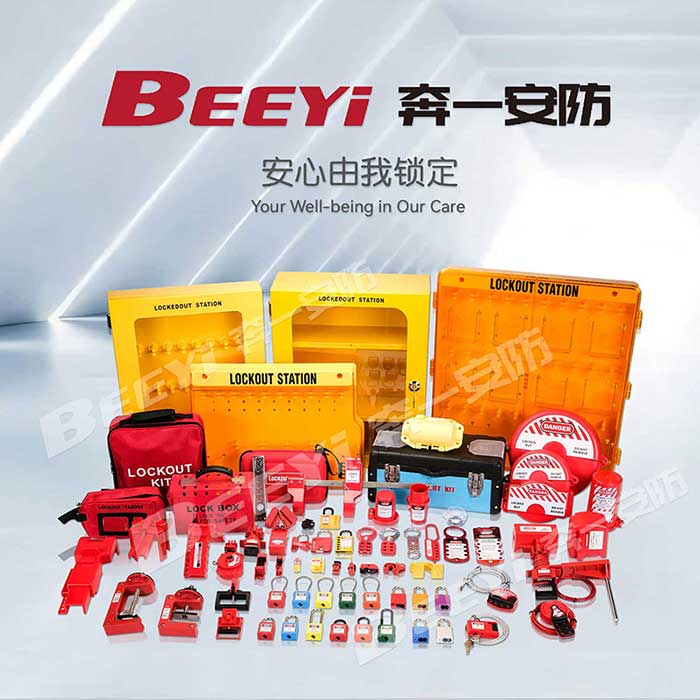
The Importance of Lock Out Tag Out (LOTO) Locks Every year, thousands of workers in the United States are injured or killed due to accidents involving machines that were not properly de-energized during maintenance. These accidents can result in severe physical harm, such as burns, amputations, and even fatalities. To mitigate these risks, the Occupational Safety and Health Administration (OSHA) has implemented strict regulations that require employers to use lockout/tagout procedures whenever employees perform servicing or maintenance on machines that could release hazardous energy. Lockout/Tagout locks are at the heart of these procedures. They provide a physical barrier to prevent the unintended activation of machines and equipment during maintenance or repair work. When applied correctly, Lockout/Tagout locks ensure that machines cannot be started until the locks are removed by the authorized personnel, thus preventing injuries caused by unexpected machine movement.