In any industrial or mechanical setting, worker safety is paramount. One of the most effective safety protocols designed to prevent accidents during maintenance and servicing of machinery is the Lock Out Tag Out (LOTO) system. Central to this system are Lock Out Tag Out tags, which play a vital role in ensuring that machinery remains inoperative while repairs or maintenance are being conducted. This article aims to explore the significance of LOTO tags, their characteristics, and the best practices for implementing a Lock Out Tag Out program.
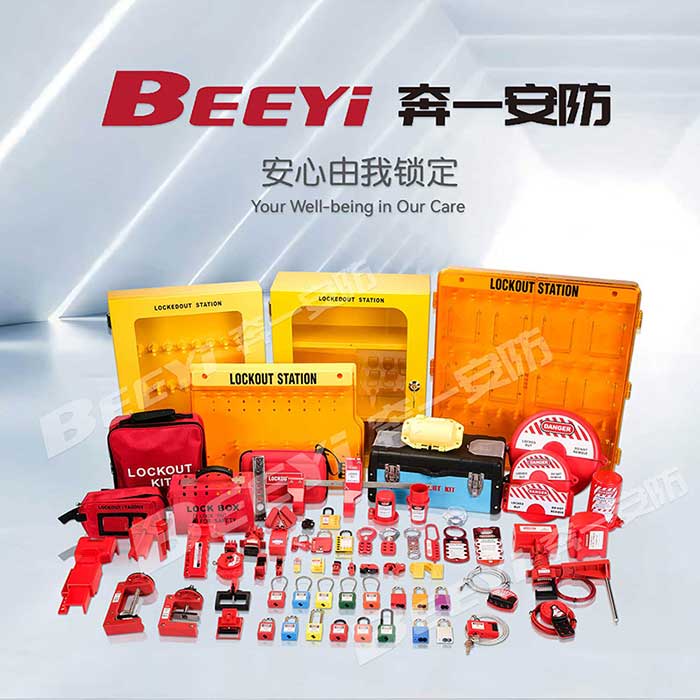
The primary purpose of LOTO tags is to communicate critical safety information. When a piece of equipment is locked out, a tag is affixed to it, signifying that the machinery is under maintenance and should not be operated. These tags are not mere warnings; they are vital indicators that communicate the potential dangers of accidentally activating machinery. Often brightly colored and made from durable materials, LOTO tags provide clear visibility and help ensure that all personnel are aware of the equipment’s status. Characteristics of Lock Out Tag Out Tags Effective LOTO tags share several key characteristics that make them effective tools for communicating safety information. First and foremost, they must be easily identifiable. Bright colors such as red or yellow are commonly used to draw attention to the tag. The use of bold lettering for warnings ensures that the message is immediately clear. Additionally, tags should be resistant to environmental factors that may be present in industrial settings, such as moisture, oil, or extreme temperatures.