In industrial and manufacturing environments, safety is of paramount importance. One of the most effective safety systems that ensure the protection of workers during maintenance or repair operations is the LOTO (Lockout/Tagout) lock system. This system plays a crucial role in preventing accidental equipment startup and minimizing the risk of injury. In this article, we will explore the LOTO lock system, its components, its importance in workplace safety, and the best practices for its implementation.
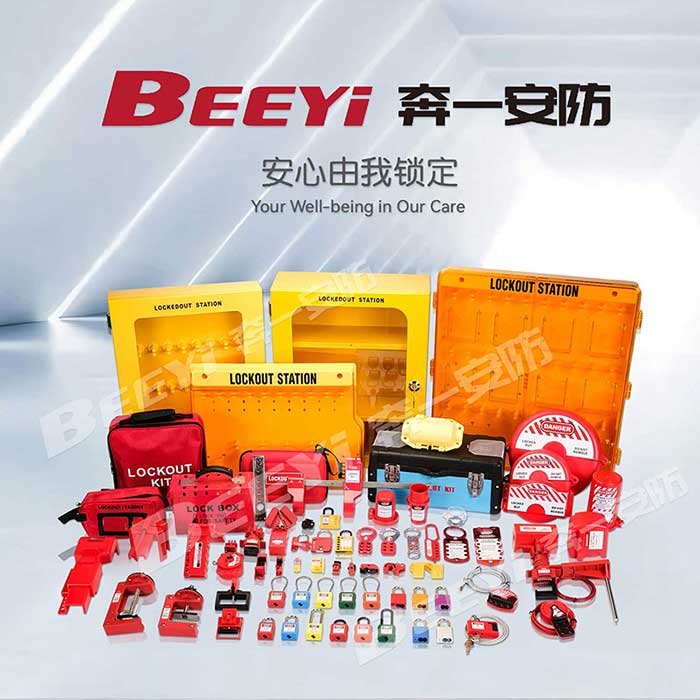
What is a LOTO Lock? A LOTO lock is a physical lock that is used in conjunction with a Lockout/Tagout (LOTO) procedure. This safety system is designed to prevent machinery or electrical equipment from being accidentally energized or started up while workers are servicing or maintaining it. LOTO locks are typically used in combination with lockout devices and tags, which are attached to machines and equipment to signal that they should not be operated. When used correctly, the LOTO system ensures that only authorized personnel can remove the lock and restart the machinery. The system’s primary goal is to isolate energy sources during maintenance activities, thereby protecting workers from hazardous energy. These energy sources can include electrical, mechanical, hydraulic, pneumatic, and chemical forces, all of which can cause severe injuries or even fatalities if not properly controlled.