In industrial and construction settings, ensuring the safety of workers is paramount. One revolutionary strategy to protect employees during maintenance or servicing tasks is the Lockout/Tagout (LOTO) procedure, which is significantly enhanced through the use of LOTO safety locks. LOTO safety locks serve as a critical tool in preventing accidental machine startups and ensuring that equipment remains de-energized while maintenance is carried out. This article explores the significance, function, and implementation of LOTO safety locks in the workplace.
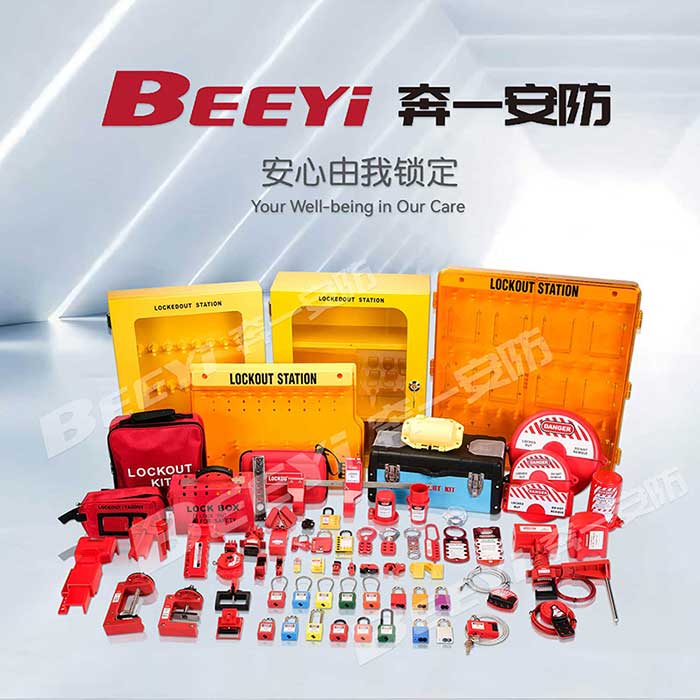
What is LOTO Safety Lock? A LOTO safety lock is a specialized lock designed to isolate energy sources of machinery or equipment to prevent accidental release or startup. These locks come in various forms, including padlocks, valve locks, and plug locks, allowing them to adapt to a multitude of industrial equipment. The design of LOTO locks emphasizes durability and visibility, often featuring bright colors and distinct shapes to ensure they stand out in the working environment. Importance of LOTO Safety Locks Accident Prevention: The primary purpose of LOTO safety locks is to prevent accidents caused by the unexpected restart of machinery. Without proper locking mechanisms, workers conducting maintenance could inadvertently activate equipment, leading to serious injuries or fatalities.