In industrial environments, where heavy machinery and electrical systems are involved, the importance of workplace safety cannot be overstated. One of the critical safety protocols that protect workers from hazardous energy sources during maintenance is the Lockout-Tagout (LOTO) procedure. At the core of this safety system are LOTO locks, devices specifically designed to prevent unauthorized operation of machinery during servicing. This article delves into the importance, types, features, and regulations surrounding LOTO locks, exploring how these tools help enhance workplace safety.
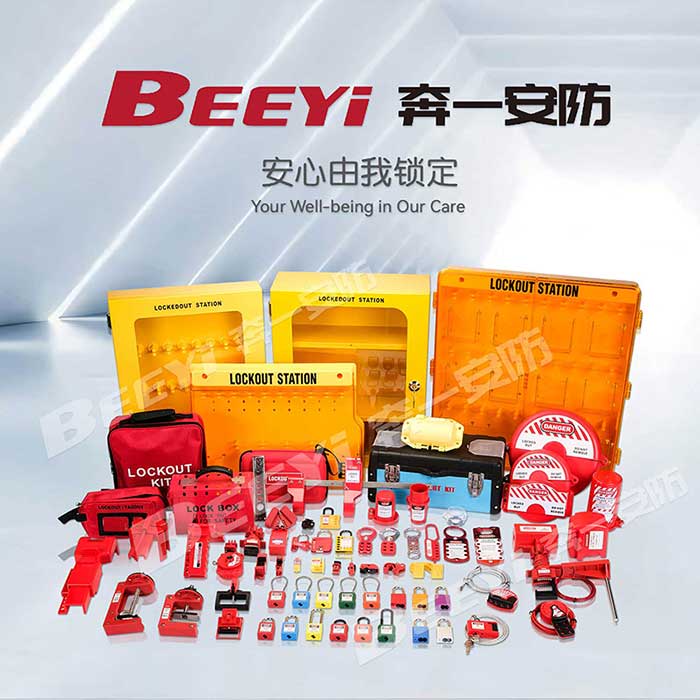
What are LOTO Locks? LOTO locks are physical devices used to secure energy-isolating devices—such as switches, valves, or circuit breakers—during maintenance or repair. These locks are part of the larger Lockout-Tagout system, which serves to control hazardous energy sources like electrical, mechanical, hydraulic, and pneumatic forces. The primary purpose of LOTO locks is to ensure that machinery or electrical systems cannot be accidentally or intentionally re-energized or started while maintenance workers are exposed to potential hazards. The Role of LOTO Locks in Workplace Safety LOTO locks play a vital role in the prevention of workplace accidents, which can result from the unintended release of hazardous energy. In many industries, particularly manufacturing, oil and gas, and utilities, workers are often required to repair or service equipment that could pose significant risks if mishandled. LOTO protocols, including the use of LOTO locks, ensure that energy sources are effectively isolated before any maintenance work begins.