Low Flow Solenoid Valves are critical components in various industrial and commercial applications where precise control over fluid or gas flow is required, particularly in systems dealing with low flow rates. These valves are often employed in systems where conventional solenoid valves might not provide the necessary accuracy or efficiency for smaller volumes of fluid. This article delves into the working principles, features, applications, and benefits of Low Flow Solenoid Valves, providing a comprehensive understanding of their role in modern fluid control systems.
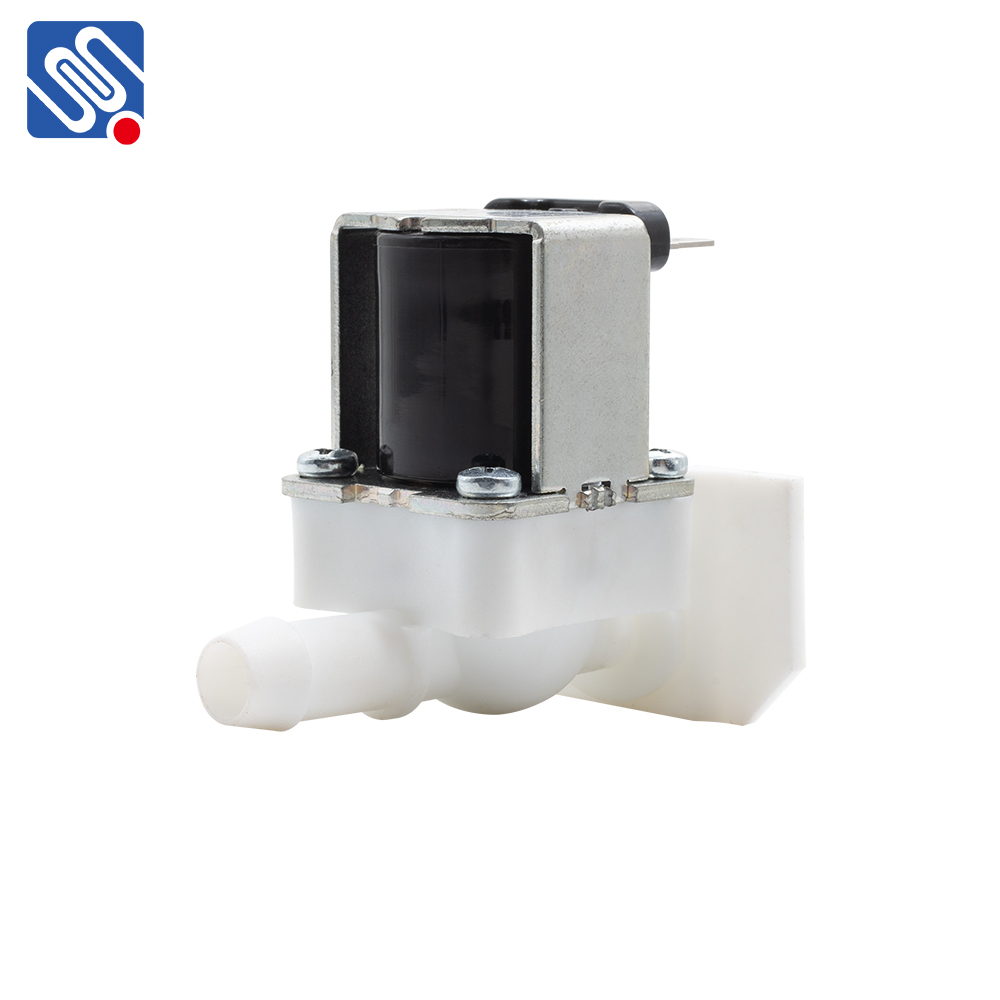
What is a Low Flow Solenoid Valve? A Low Flow Solenoid Valve is a type of automated valve used to regulate the flow of liquids or gases in a pipeline. Unlike standard solenoid valves that are designed to handle higher flow rates, Low Flow Solenoid Valves are specifically engineered to control smaller volumes of fluids with high precision. The main feature of these valves is their ability to manage low-flow applications, often measured in milliliters per minute or liters per minute, depending on the system’s requirements. The operation of these valves is based on the principles of electromagnetism. A solenoid coil is energized, which generates a magnetic field that moves a valve plunger or diaphragm to either open or close the valve, allowing fluid to flow or stopping it entirely. This actuation method ensures quick response times and reliable flow control, even in delicate or small-scale applications.