A Low Flow Solenoid Valve is an essential component used in various industries to control the flow of liquids or gases. Unlike traditional solenoid valves that manage a broader range of flow rates, low flow solenoid valves are specifically designed to operate in applications requiring very precise and controlled flow, often at lower volumes. In this article, we will explore the principles behind low flow solenoid valves, their advantages, and the industries where they are most commonly applied.
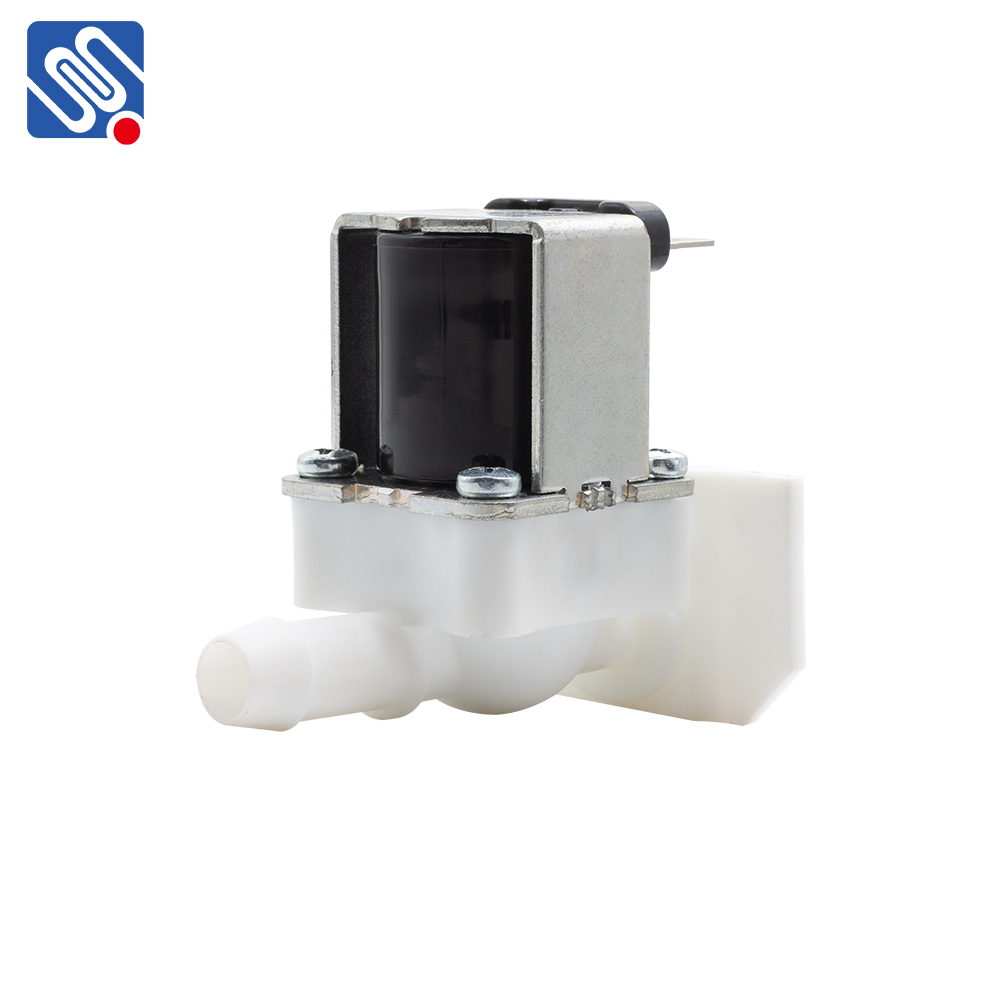
What is a Low Flow Solenoid Valve? A low flow solenoid valve is an electrically operated valve that regulates the flow of liquids or gases within a system. The “solenoid” part of the valve refers to an electromagnetic coil that, when energized, creates a magnetic field. This magnetic field moves a plunger or armature, which either opens or closes the valve, controlling the flow of the medium. In low flow solenoid valves, this mechanism is fine-tuned to operate in systems with lower flow rates, typically requiring precise control of volumes as small as milliliters per minute. Operating Principle of Low Flow Solenoid Valves