Electric motors are at the heart of countless industrial and commercial applications, powering everything from pumps and compressors to conveyor belts and HVAC systems. These motors are often subjected to varying loads, and when they operate beyond their designed limits, they can overheat, leading to costly damage and downtime. This is where a Motor Overload Relay plays a crucial role in safeguarding both the motor and the entire system.
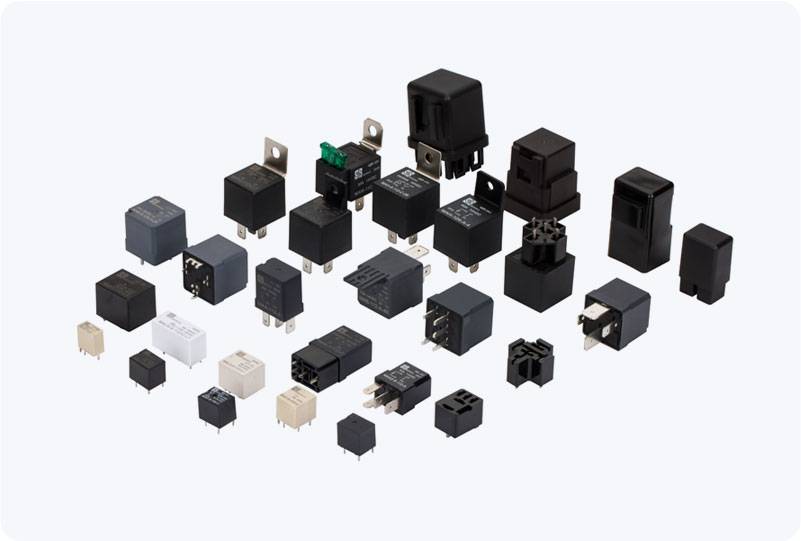
What is a Motor Overload Relay? A Motor Overload Relay (MOR) is a protective device designed to monitor the electrical current flowing to an electric motor. Its primary function is to prevent the motor from overheating by disconnecting the power when the motor draws excessive current, signaling that the motor is operating under conditions that could lead to failure. Overload relays are essential for protecting motors against sustained overloads, which can result from various factors, such as mechanical failure, insufficient power supply, or unexpected external load increases. By cutting the power supply when the motor is at risk of overheating, the relay helps to prevent damage, extending the lifespan of the motor and improving overall system reliability.