A normally closed solenoid valve (NC solenoid valve) is an essential component used in fluid control systems across various industries. These valves are designed to control the flow of liquids and gases, relying on electromagnetic forces to open and close the valve in response to electrical signals. This article delves into the principles, applications, and advantages of normally closed solenoid valves.
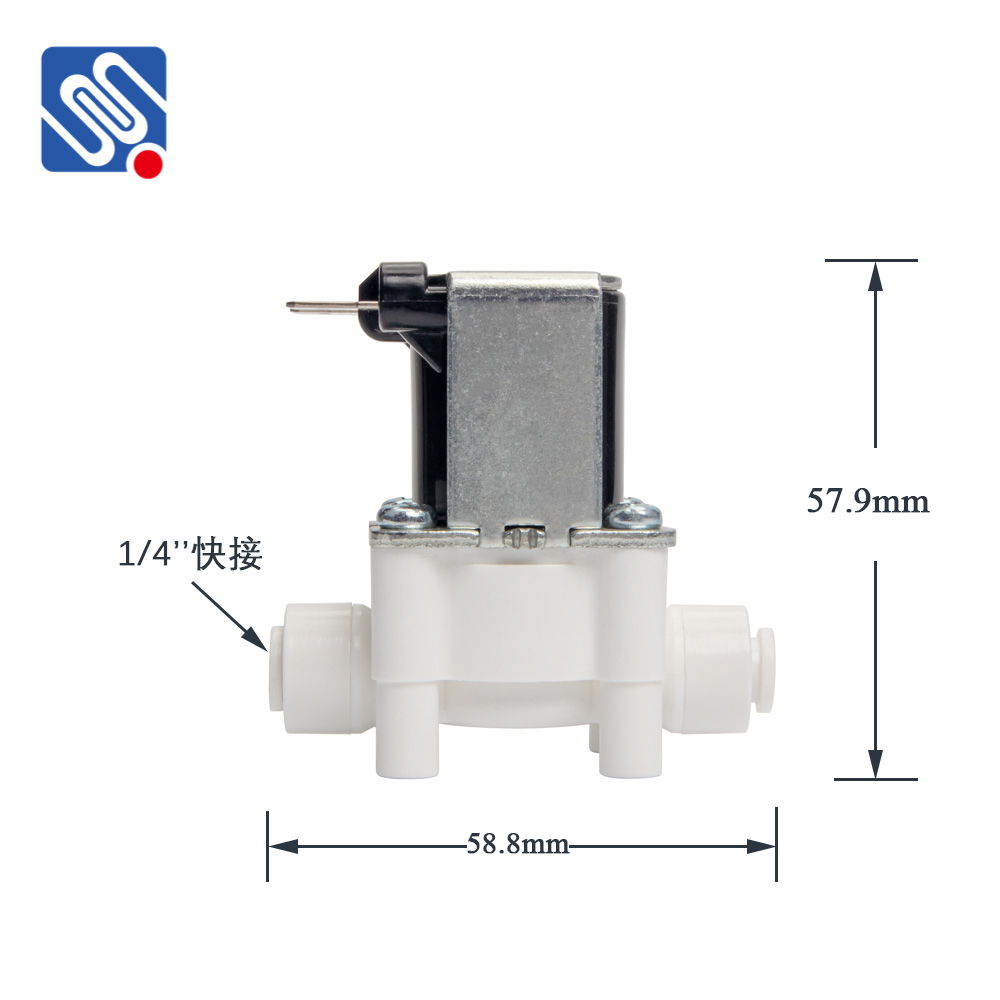
Principles of Operation The operation of a normally closed solenoid valve is quite straightforward. At its core, the valve consists of an electromagnetic coil, a plunger (or armature), and a valve seat. When the solenoid is not energized, the plunger is held in place by a spring, sealing the valve seat and preventing fluid flow. This default closed state ensures that, in the absence of power, there is no risk of accidental leakage or fluid discharge. When an electrical current is applied to the coil, it generates a magnetic field that pulls the plunger away from the valve seat, allowing fluid to pass through. As soon as the electrical signal is interrupted or removed, the spring mechanism quickly returns the plunger to its original position, sealing the valve and stopping the flow. This rapid response to electrical signals makes solenoid valves ideal for applications requiring precise control over fluid movement.