A Normally Closed (NC) Solenoid Valve is a key component in many fluid control systems used to regulate the flow of liquids and gases. As the name suggests, the valve remains closed in its default state when not powered, and only opens when energy is applied to the solenoid. This simple yet effective mechanism makes it a critical tool in a wide range of industrial and automation applications.
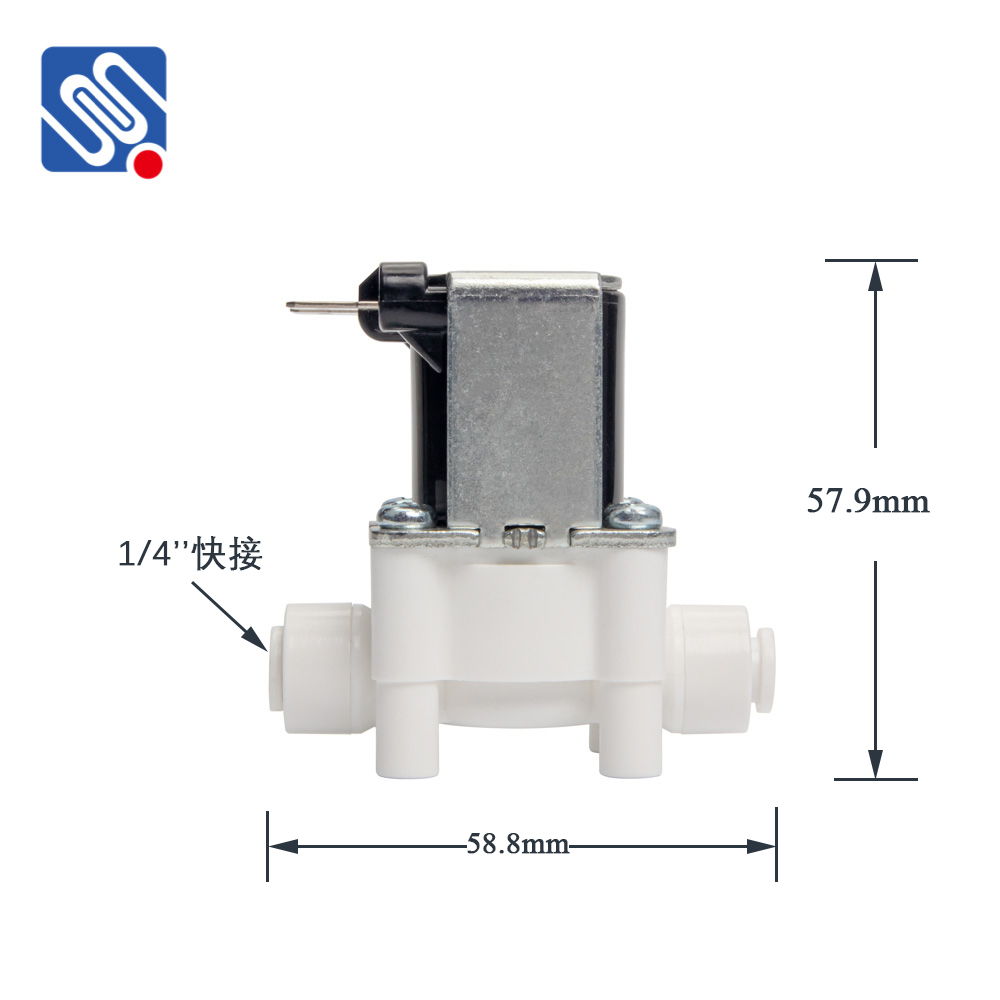
Basic Functioning The Normally Closed Solenoid Valve operates using a solenoid, which is essentially an electromagnet. The valve itself is designed to stop or allow fluid to flow through a pipe or system based on whether the solenoid is energized or not. When the solenoid coil is de-energized, a spring inside the valve keeps the valve in the closed position, blocking the flow of fluid. When the solenoid is energized, it creates a magnetic field that pulls a plunger or diaphragm inside the valve, opening the valve and allowing the fluid to pass. Once the electrical current is turned off, the magnetic field disappears, and the spring pushes the plunger back to its closed position. This design makes it particularly useful in systems that need to stop the flow of fluids automatically when no electrical signal is present.