An Overload Relay is a crucial electrical protection device used in a wide range of industrial and commercial applications. Its primary role is to prevent electric motors from overheating or sustaining damage due to overcurrent conditions. This article will provide an overview of the overload relay’s working principle, types, applications, and importance in ensuring the safety and longevity of motors and electrical equipment.
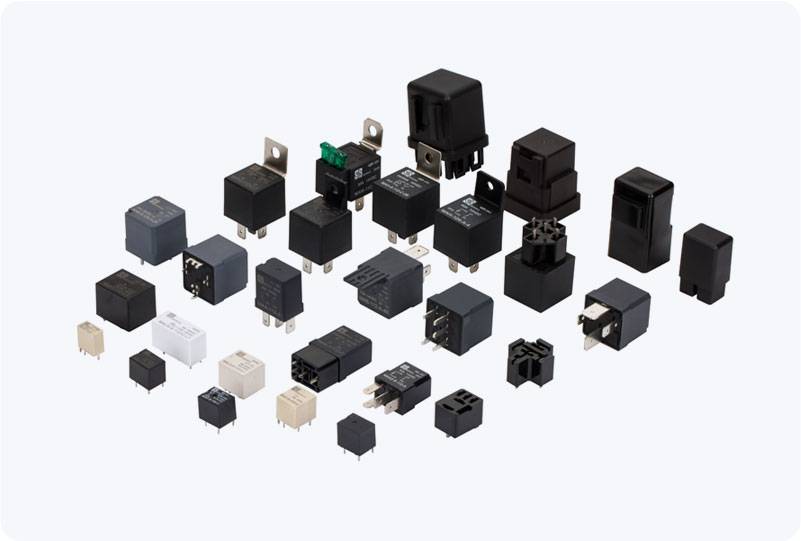
What is an Overload Relay? An overload relay is a device designed to protect motors and electrical circuits from damage caused by prolonged overcurrent conditions. Overcurrent can result from a variety of issues, including mechanical overload, incorrect motor specifications, or faults within the system. When the current flowing through a motor exceeds its rated capacity for an extended period, the overload relay interrupts the circuit, thereby preventing potential damage. Overload relays are typically used in conjunction with contactors and circuit breakers in motor protection circuits. While a circuit breaker protects against short circuits and other immediate dangers, the overload relay focuses specifically on safeguarding against sustained overcurrent situations.