In the world of electrical engineering, ensuring the safety and longevity of electrical equipment is paramount. One of the key components that play a crucial role in protecting electric motors from damage due to overcurrent is the overload relay. This device is essential in various applications where motors are used, ranging from industrial machinery to household appliances. In this article, we will explore what overload relays are, their working principles, types, applications, and importance in electrical systems.
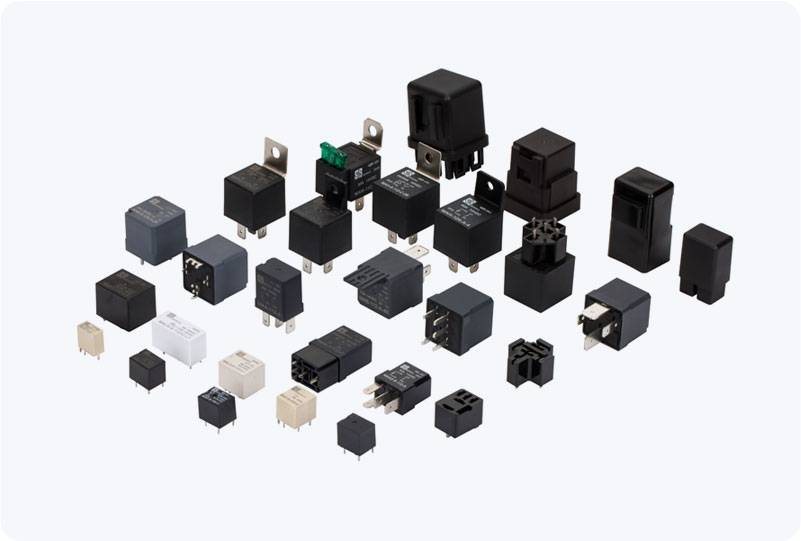
What is an Overload Relay? An overload relay is an electromechanical device designed to protect electric motors from overheating due to excessive current, commonly referred to as overload conditions. When a motor operates under a load above its rated capacity for an extended period, it can overheat and potentially fail. The overload relay detects this overcurrent and disconnects the motor from the power supply, preventing damage. How Does an Overload Relay Work? The operation of an overload relay is based on the principle of current monitoring. When the motor operates normally, the current flowing through the relay is within the acceptable range. However, when the current exceeds a predefined threshold, the overload relay activates.