Overload relays are critical components in electrical systems, providing vital protection for motors and other devices from the risks of overload. These relays are used to monitor and control electrical current, ensuring that machinery operates within its safe limits and preventing potential damage from excessive current flow. This article explores the function, types, and applications of overload relays, shedding light on their importance in safeguarding electrical equipment.
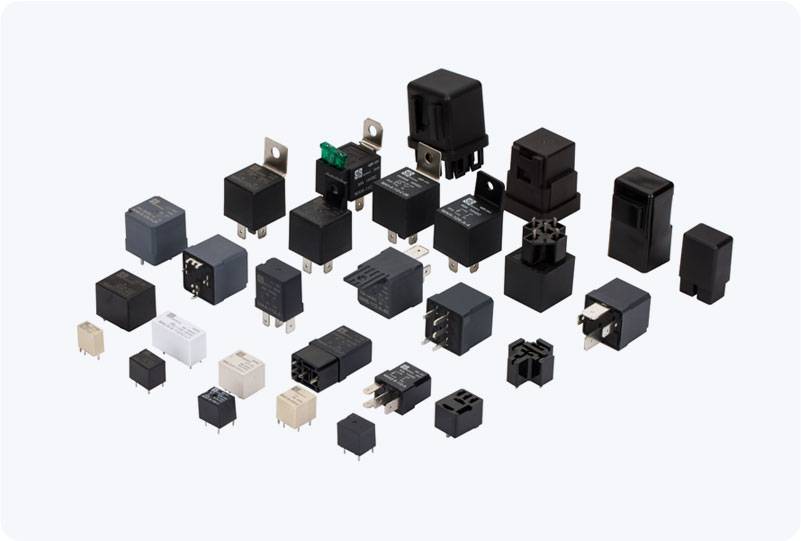
What is an Overload Relay? An overload relay is an electrical protection device designed to prevent damage to electrical equipment—specifically motors—by monitoring the current passing through the motor circuit. If the current exceeds a predetermined limit, the overload relay activates and disconnects the circuit, thereby protecting the motor from overheating and potential failure. This protection mechanism is crucial for preventing costly damage and ensuring the longevity of industrial machinery. The Role of Overload Relays The primary role of an overload relay is to protect electric motors and other devices from the adverse effects of overcurrent conditions. Overloads can occur when a motor is required to operate beyond its rated capacity, leading to excessive heat build-up within the motor windings. If this heat persists, it can result in motor damage, insulation breakdown, or even a fire. Overload relays mitigate this risk by interrupting the power supply when the motor is drawing too much current.