An overload relay is a crucial component in electrical systems, primarily designed to protect motors, transformers, and other electrical devices from damage caused by excessive current. Overload protection plays a vital role in ensuring the longevity, efficiency, and safety of electrical equipment in both industrial and residential settings. This article explores the concept of overload relays, their types, working principles, and applications.
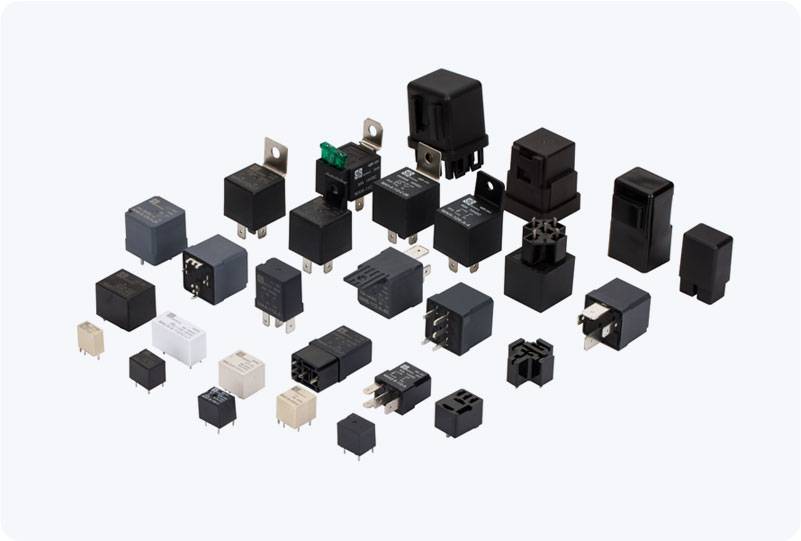
What is an Overload Relay? An overload relay is a protective device used to detect and prevent the overcurrent condition in an electrical circuit. When an electrical device—most commonly an electric motor—draws more current than its rated capacity, the overload relay acts to interrupt the power supply, thereby safeguarding the equipment from overheating, damage, or failure. In most cases, overload relays are employed in combination with contactors or motor starters. These devices work together to ensure that the electrical circuit is protected from conditions that could potentially harm the motor or other sensitive equipment.