A PCB electromagnetic relay is an important electronic component widely used in control circuits and automation systems. It acts as an electrically operated switch that allows a low-power signal to control a higher-power circuit. Because of its reliability, electrical isolation, and ability to handle different voltage levels, PCB electromagnetic relays are commonly found in household appliances, industrial equipment, automotive electronics, and smart control systems.
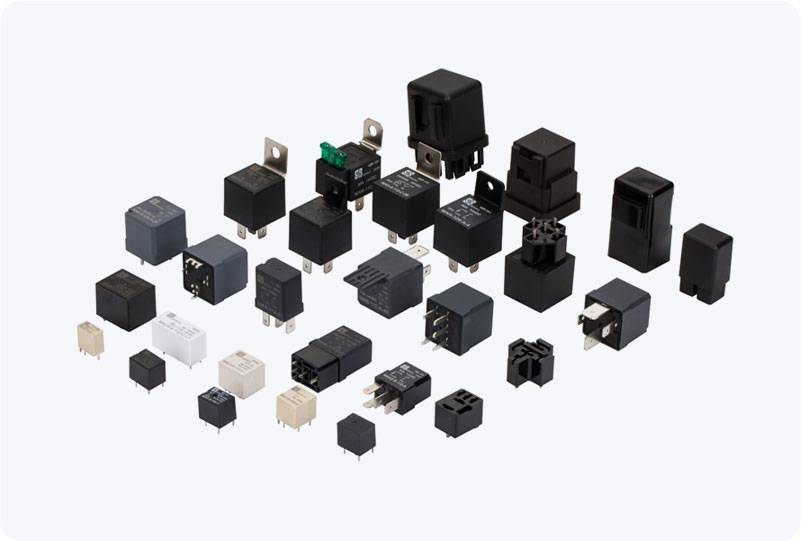
A PCB electromagnetic relay is specifically designed to be mounted directly onto a printed circuit board (PCB). Unlike large industrial relays, PCB relays are compact and lightweight, making them suitable for modern electronic devices that require space-efficient designs. These relays are typically soldered directly onto the board through pins or terminals, which simplifies assembly and improves circuit integration. The basic structure of a PCB electromagnetic relay consists of several key parts: the coil, the armature, the contacts, and the spring. The coil is made of insulated copper wire wound around a core. When electric current flows through the coil, it generates a magnetic field. This magnetic field pulls the armature, which is a small movable metal lever inside the relay. The movement of the armature causes the electrical contacts to either open or close, thereby controlling the external circuit.