Introduction
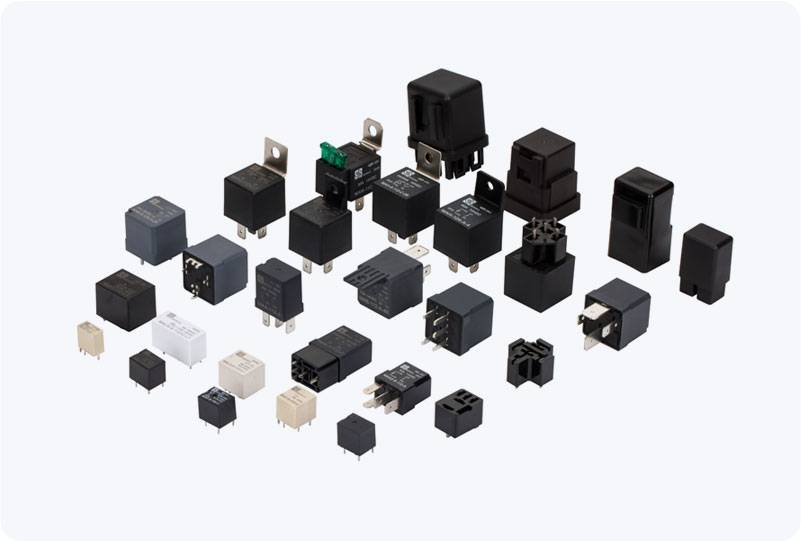
In the realm of electronics, the PCB (Printed Circuit Board) electromagnetic relay stands out as a crucial component that facilitates the control of high-power devices through low-power signals. These relays act as switches, enabling or disabling circuits based on the presence or absence of an electrical signal. This article delves into the functionality, types, benefits, and applications of PCB electromagnetic relays, shedding light on their integral role in various electronic systems. Working Principle of PCB Electromagnetic Relays At the core of a PCB electromagnetic relay is the electromagnetic mechanism that operates through the interaction between electric current and magnetic fields. When a voltage is applied to the relay’s coil, it generates a magnetic field that attracts an armature towards it. This movement opens or closes contacts within the relay, thus completing or interrupting the circuit.