In the realm of fluid management, the efficiency and reliability of valve systems play an essential role, particularly in water systems. Among various types of valves used, plastic valves have gained significant attention due to their unique qualities and advantages. This article delves into the features, applications, and benefits of plastic valves specifically designed for water systems.
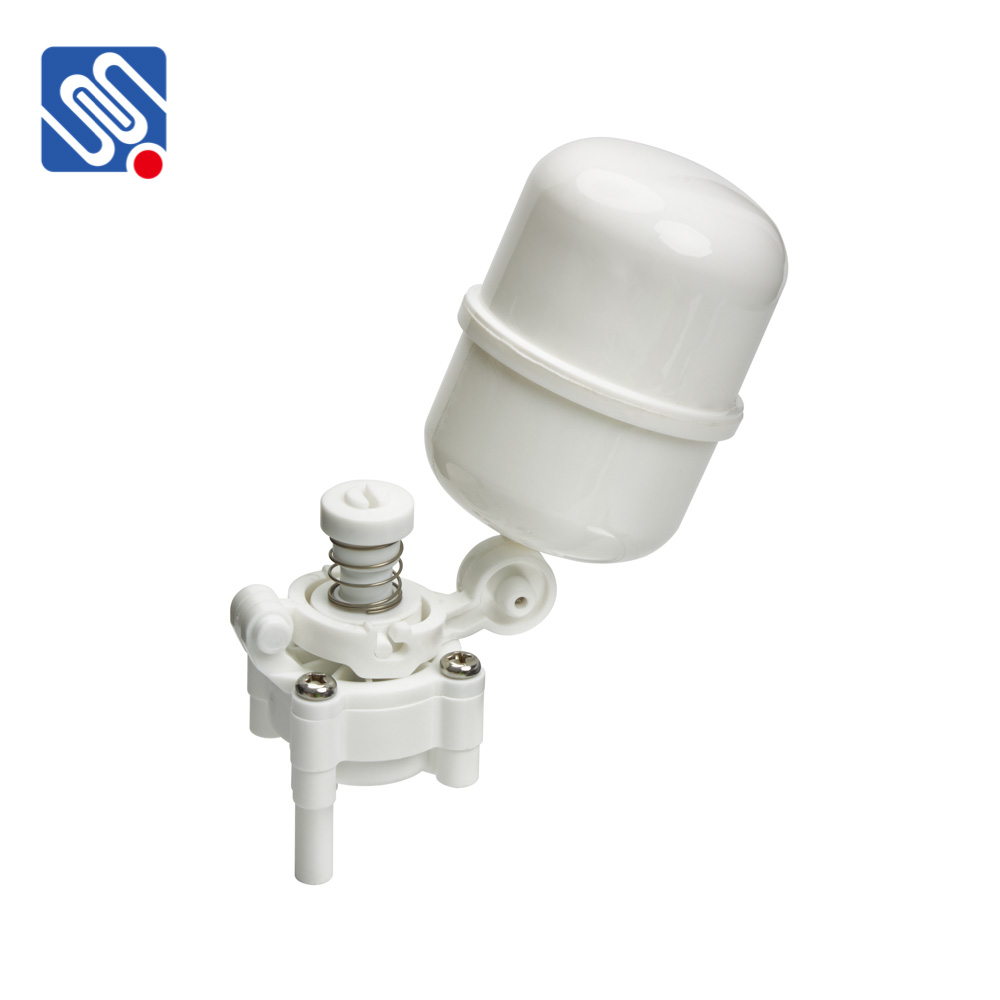
Material Composition and Types Plastic valves are predominantly made from materials like Polyvinyl Chloride (PVC), Polypropylene (PP), and Polyethylene (PE). Each type of plastic offers distinct properties that make them suitable for specific applications: PVC (Polyvinyl Chloride): Known for its durability and resistance to chemical corrosion, PVC valves are widely used in various water management systems, such as irrigation and wastewater treatment. PP (Polypropylene): This material provides excellent chemical resistance and operates well in higher temperature ranges compared to PVC. It’s often used in applications where strong acids or bases are present.