Plastic Water Solenoid Valves are widely used in various industries, particularly in water control systems. These valves utilize the electromagnetic principle to control the flow of water, and the use of plastic materials provides significant advantages over traditional metal valves. In this article, we will explore the features, applications, and benefits of Plastic Water Solenoid Valves, as well as some of the limitations to consider when choosing these valves for specific applications.
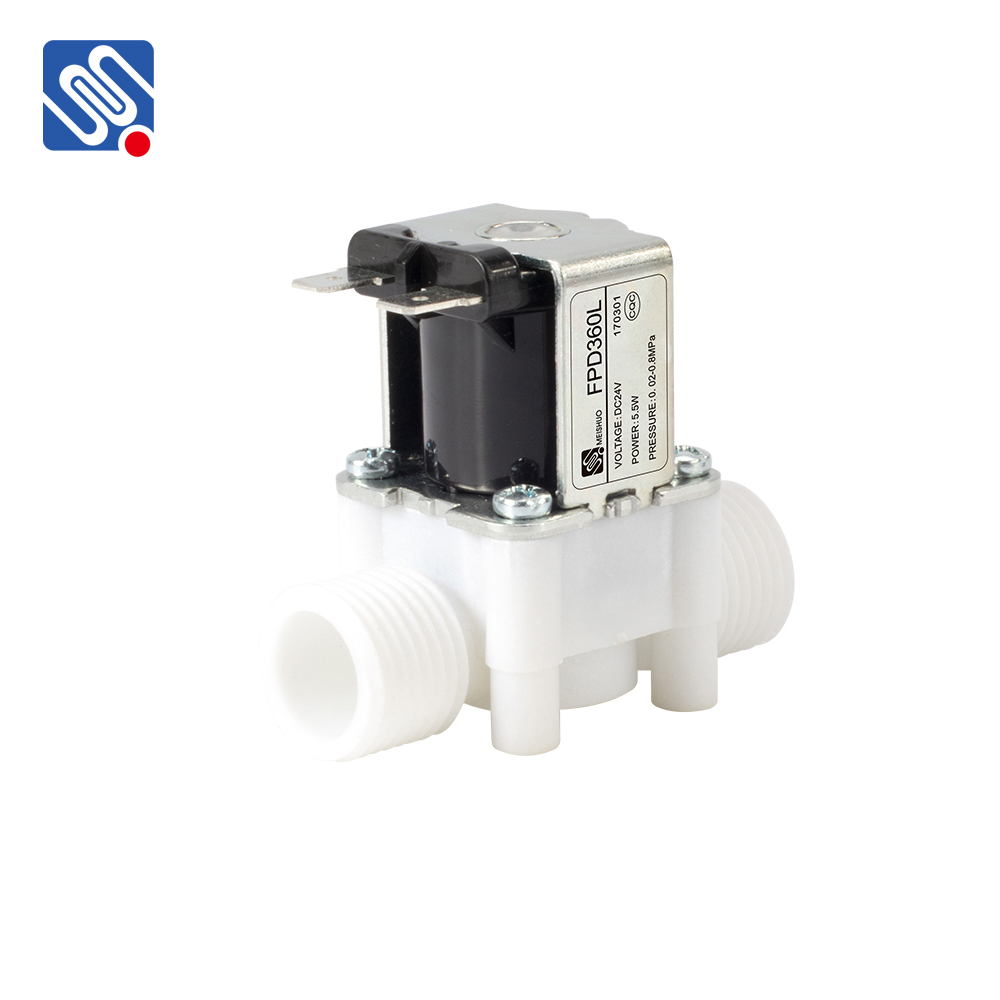
What is a Plastic Water Solenoid Valve? A Plastic Water Solenoid Valve is an electrically operated valve that controls the flow of water using an electromagnet. When electrical current is applied to the solenoid, it generates a magnetic field that either opens or closes the valve, thereby controlling the water flow. These valves are often used in systems that require automatic or remote control of water flow, such as irrigation systems, water treatment plants, and household appliances. The construction of a Plastic Water Solenoid Valve typically includes several key components: a solenoid coil, valve body, valve seat, and sealing elements. The valve body is usually made of durable plastic materials such as PVC (Polyvinyl Chloride), PP (Polypropylene), or PVDF (Polyvinylidene Fluoride), which are known for their resistance to corrosion and ability to withstand various environmental conditions.