Plastic water solenoid valves are essential components in a variety of fluid control systems, particularly in applications that require the automated regulation of water flow. This article aims to delve deeper into the functionality, applications, and advantages of plastic water solenoid valves, thereby shedding light on why they are commonly used in both residential and industrial settings.
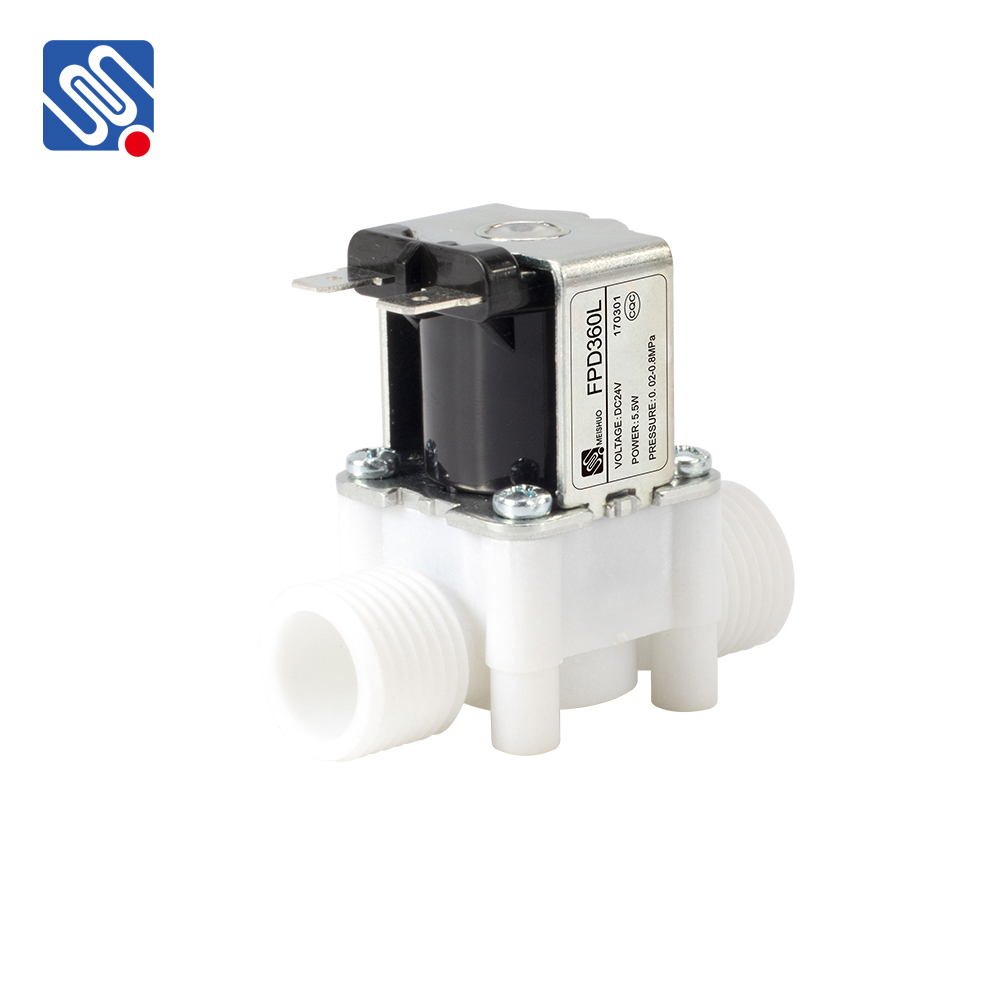
What is a Plastic Water Solenoid Valve? A plastic water solenoid valve is an electromechanical device that controls the flow of water or other fluids in a system. It operates using electromagnetic force to open or close the valve, thereby regulating fluid flow. When electrical current passes through the solenoid coil, it generates a magnetic field that activates the valve mechanism—either opening or closing the flow path. This functionality allows for precise control of fluid dynamics, making these valves ideal for automation. Materials and Design The construction of plastic water solenoid valves typically involves durable plastics such as polypropylene, PVC, or other resistant polymers. These materials are selected for their excellent chemical resistance and lightweight properties, making them suitable for a variety of environments, especially where corrosion might be a concern. The design of these valves also includes features such as seals and O-rings, which enhance leak prevention and improve overall durability.