In the realm of industrial automation, the importance of precise control systems cannot be overstated. One crucial element in this complex web of automation is the PLC Control Relay. These systems form the backbone of modern manufacturing, assembly lines, and various industrial processes by providing reliable, efficient, and flexible solutions for controlling machines and processes. This article will explore what a PLC Control Relay is, its components, how it functions, and the role it plays in industrial control systems.
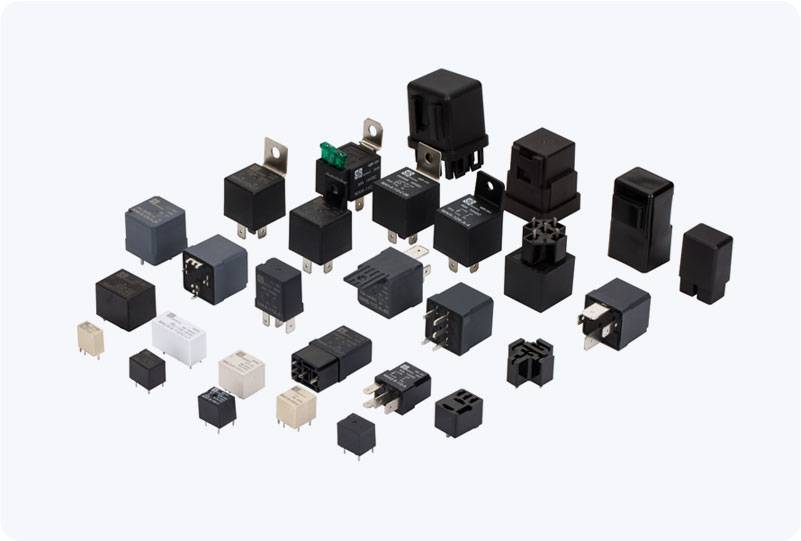
What is a PLC Control Relay? A PLC (Programmable Logic Controller) is a specialized computer designed to control manufacturing processes, machinery, or any complex automated system. It can replace traditional relay logic, which was once the standard for industrial control. The Control Relay, on the other hand, is an essential electrical component used in conjunction with PLC systems. It serves as a switch that enables the PLC to control larger, more powerful electrical devices, such as motors, lights, or pumps, that cannot be directly controlled by the PLC itself due to their higher voltage and current requirements.