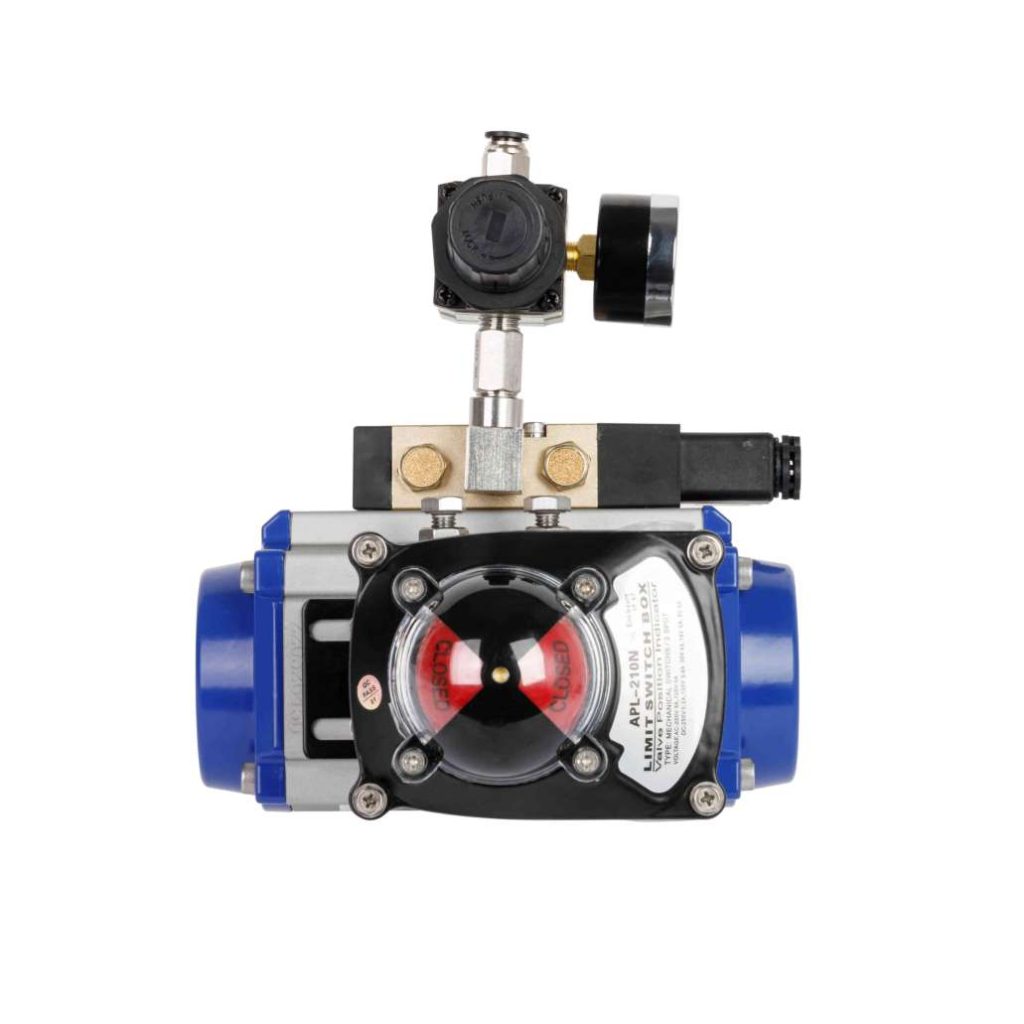
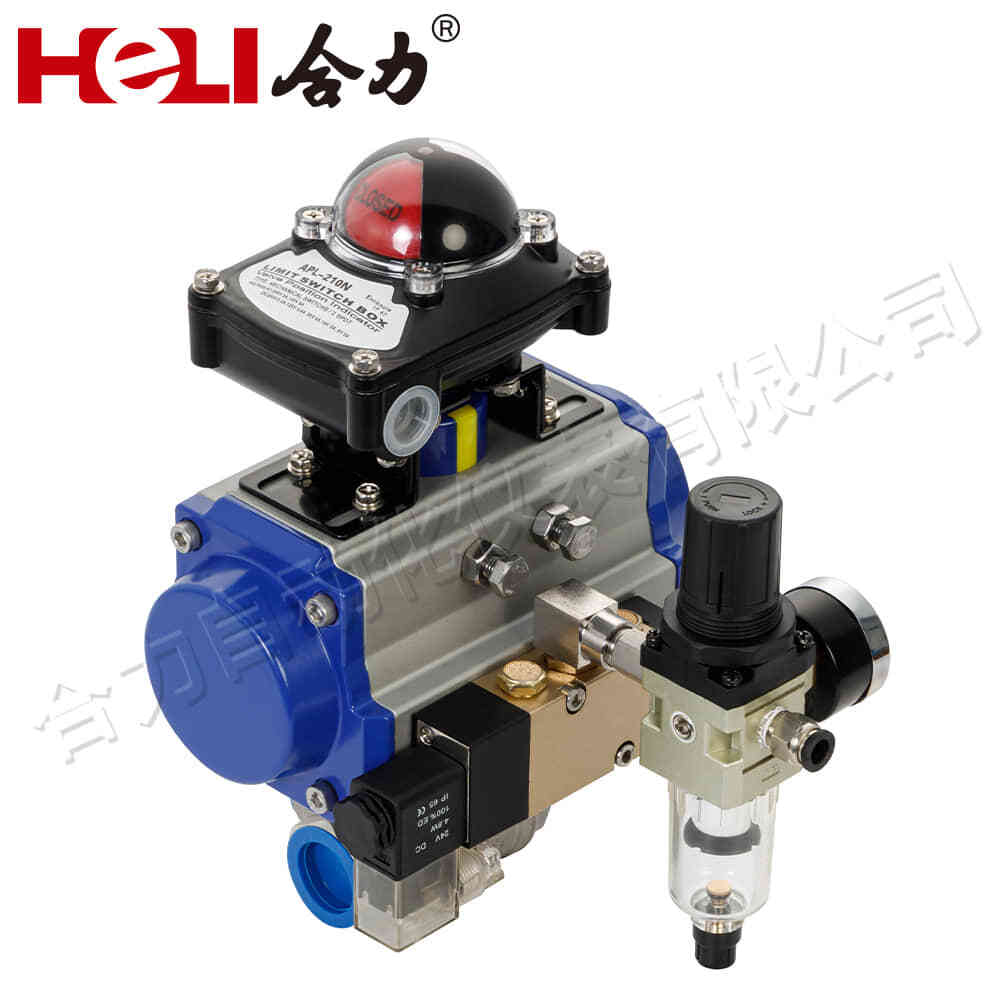
Pneumatic actuators play a crucial role in various industrial applications, harnessing the power of compressed air to create motion and control machinery effectively. These devices are integral to automation systems across many sectors, including manufacturing, food processing, and chemical handling. This article explores the principles behind pneumatic actuators, delves into their various applications, and highlights their advantages and limitations.
What is a Pneumatic Actuator?
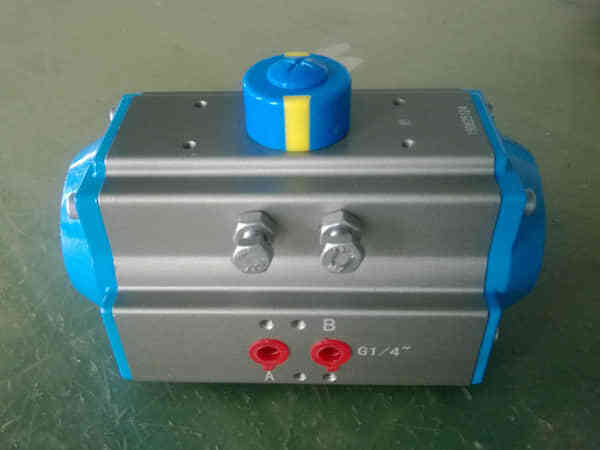
A pneumatic actuator is a mechanical device that converts compressed air energy into mechanical motion. Typically found in two forms—linear and rotary—these actuators function by utilizing the pressure difference created by the compressed air, driving a piston or a motor to perform tasks such as opening a valve, moving a mechanical arm, or controlling a conveyor system. Principles of Operation The operation of pneumatic actuators is relatively straightforward. When compressed air is introduced into the actuator, it enters a chamber that houses a piston or diaphragm. The force produced by the compressed air moves the piston, which in turn creates a linear or rotational movement, depending on the actuator’s design.