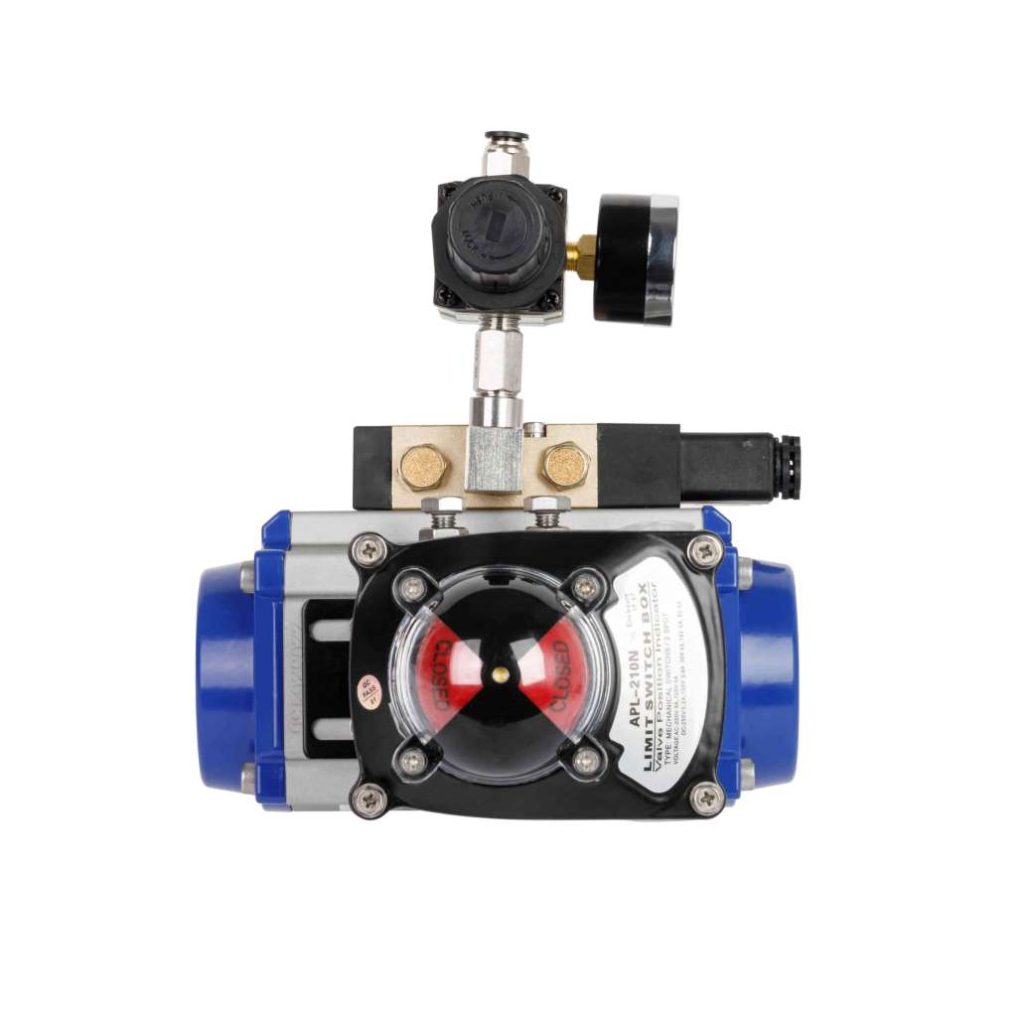
Pneumatic actuators play a pivotal role in modern automation and control systems across various industries. These devices convert compressed air into mechanical motion, allowing them to control valves, dampers, and other mechanical systems with precision and reliability. Understanding the functionality, advantages, and applications of pneumatic actuators is essential for anyone involved in industrial automation.
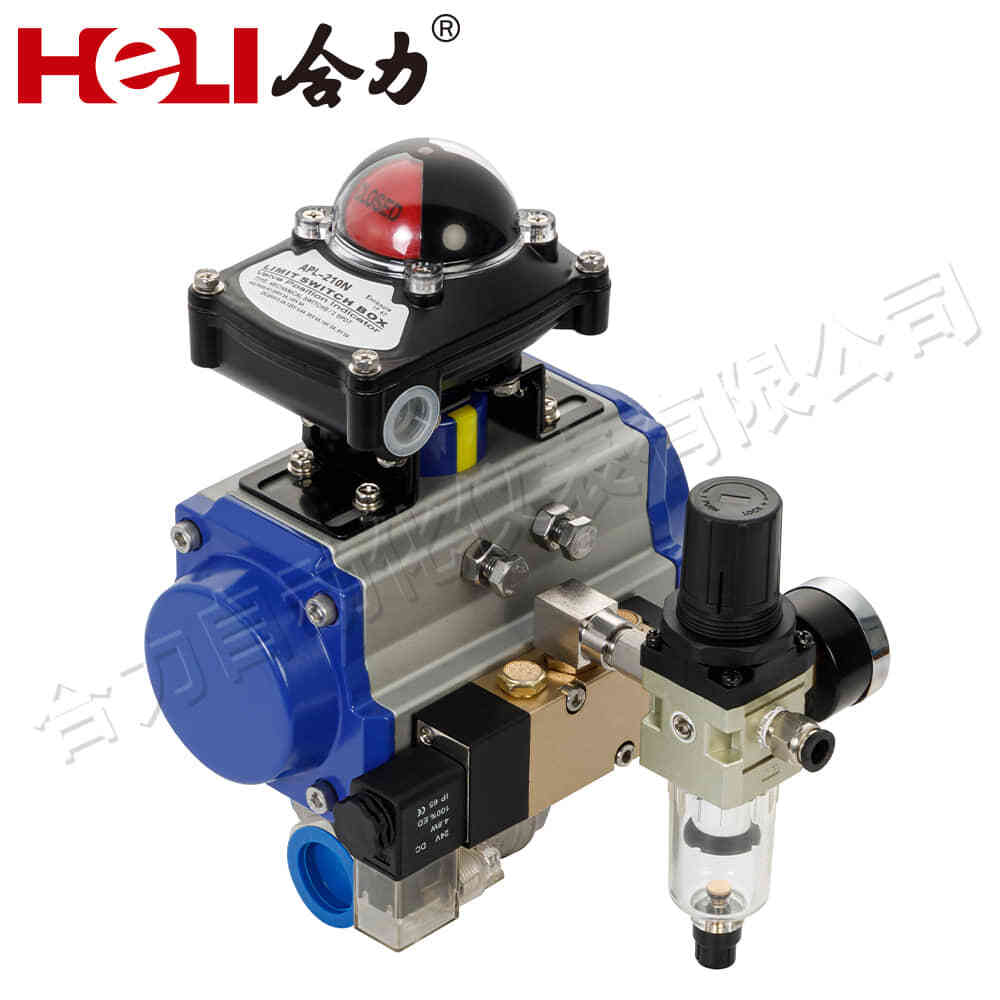
How Pneumatic Actuators Work
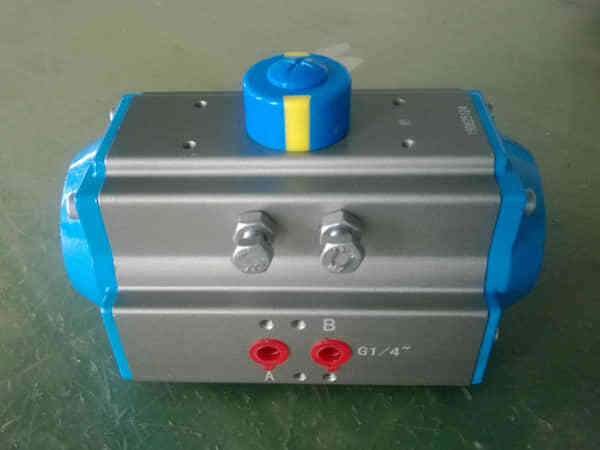
At their core, pneumatic actuators consist of a cylinder, piston, and a control mechanism. When compressed air is introduced into the cylinder, it creates pressure that forces the piston to move. This linear motion can be utilized directly to open or close valves, or it can be transformed into rotary motion for applications such as turning a valve handle. The specific movement depends on the type of pneumatic actuator utilized—most commonly, double-acting and single-acting actuators. Double-acting actuators utilize air pressure in both directions, enabling the piston to move forward and backward. This design allows for greater force output and faster operation, making them suitable for demanding applications requiring quick response times. Conversely, single-acting actuators operate using pressure in one direction, with a return mechanism, usually a spring, to return the piston to its original position. Single-acting actuators are simpler and often more cost-effective, though they may not provide the same levels of force and speed as their double-acting counterparts.