Power relays are essential electrical devices used to control high-power circuits through a low-power control signal. These versatile switches have wide-ranging applications in various industries, from home appliances to heavy industrial equipment. In this article, we will explore the fundamental concepts of power relays, their working principles, types, and the applications where they play a crucial role in maintaining safety and efficiency.
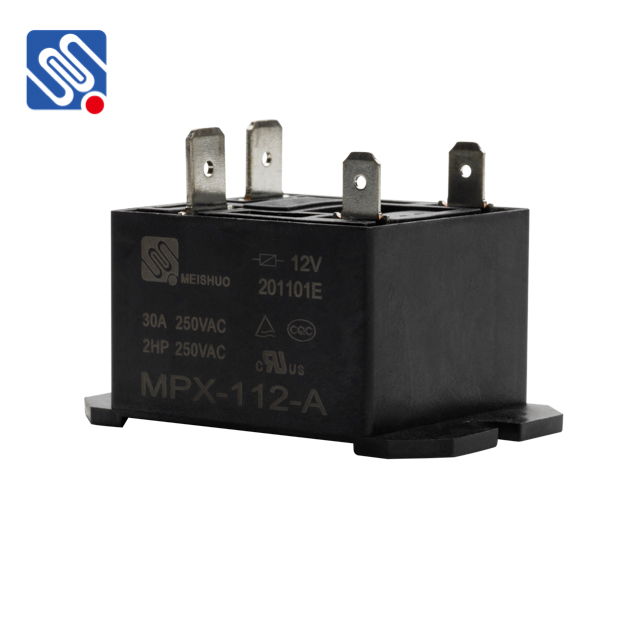
What is a Power Relay? A power relay is an electromechanical device designed to open or close contacts in an electrical circuit in response to a control signal. The control signal is typically low voltage, allowing the relay to control circuits that require higher voltages or currents. This capability makes power relays highly useful in electrical systems where isolation and protection are necessary. At its core, a power relay consists of an electromagnet, a set of contacts, and a spring mechanism. When current passes through the electromagnet coil, it generates a magnetic field, attracting or releasing the contacts to either open or close the circuit. When the control signal is removed, the spring returns the contacts to their original position.