In modern electric vehicles and high-voltage industrial systems, safety and reliability are paramount. One essential component that often goes unnoticed but plays a crucial role in these systems is the Precharge Relay. This device is designed to manage the initial flow of current when connecting high-voltage sources to capacitive loads, ensuring both the longevity of components and the safety of operators.
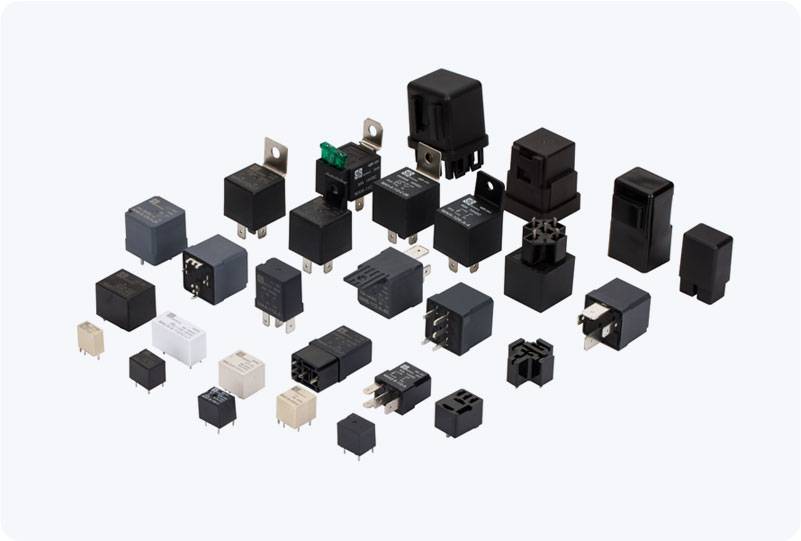
A Precharge Relay primarily functions to prevent sudden inrush currents that can occur when a fully charged battery or high-voltage source is connected directly to an empty capacitor. Without this precaution, the initial surge of current could reach hundreds of amperes, posing a risk of damaging sensitive electronics, causing sparks, or even triggering fire hazards. To address this, the Precharge Relay works in tandem with a precharge resistor. When the system is first powered on, the relay closes, allowing current to flow through the resistor, gradually charging the capacitors. Once the capacitor voltage reaches a safe threshold, typically around 90 to 95 percent of the supply voltage, the main contactor closes, and the Precharge Relay opens. This sequence ensures a smooth transition from zero to full operational voltage, minimizing stress on electrical components.