A PVC solenoid valve is a vital component in modern fluid control systems, offering an efficient and reliable solution for regulating the flow of liquids and gases. Utilizing polyvinyl chloride (PVC) as its primary material, this type of solenoid valve combines the functionality of electromagnetic control with the durability and cost-effectiveness of PVC, making it a popular choice in various industries. This article explores the features, applications, advantages, and limitations of the PVC solenoid valve, providing a comprehensive overview of its role in automation and fluid handling systems.
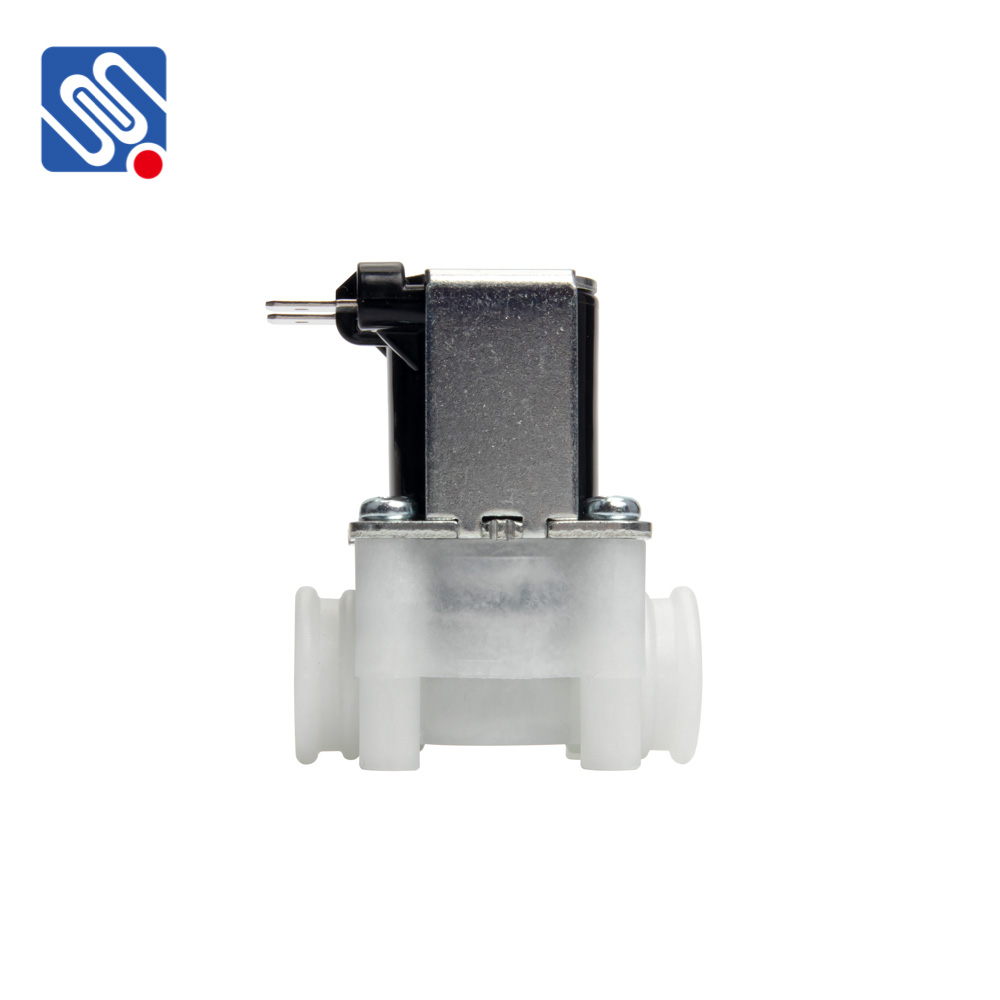
What is a PVC Solenoid Valve? A solenoid valve is an electromechanical device used to control the flow of liquids or gases by opening or closing a valve using an electric current. The PVC solenoid valve, specifically, is constructed with a body made from PVC, which is known for its excellent resistance to chemicals, moisture, and corrosion. The valve operates by using an electromagnetic coil to actuate a valve mechanism, typically a plunger, which moves to either allow or block the passage of the fluid. The valve’s two primary types are: Normally Closed (NC): The valve remains closed when no current is applied. It opens when the solenoid coil is energized.