PVC solenoid valves are essential components found in various industrial and agricultural applications. These devices serve as automated control mechanisms for regulating the flow of liquids and gases in a system, making them invaluable in industries such as water treatment, chemical processing, and irrigation. In this article, we delve into the workings of PVC solenoid valves, their advantages, applications, and essential considerations for their use.
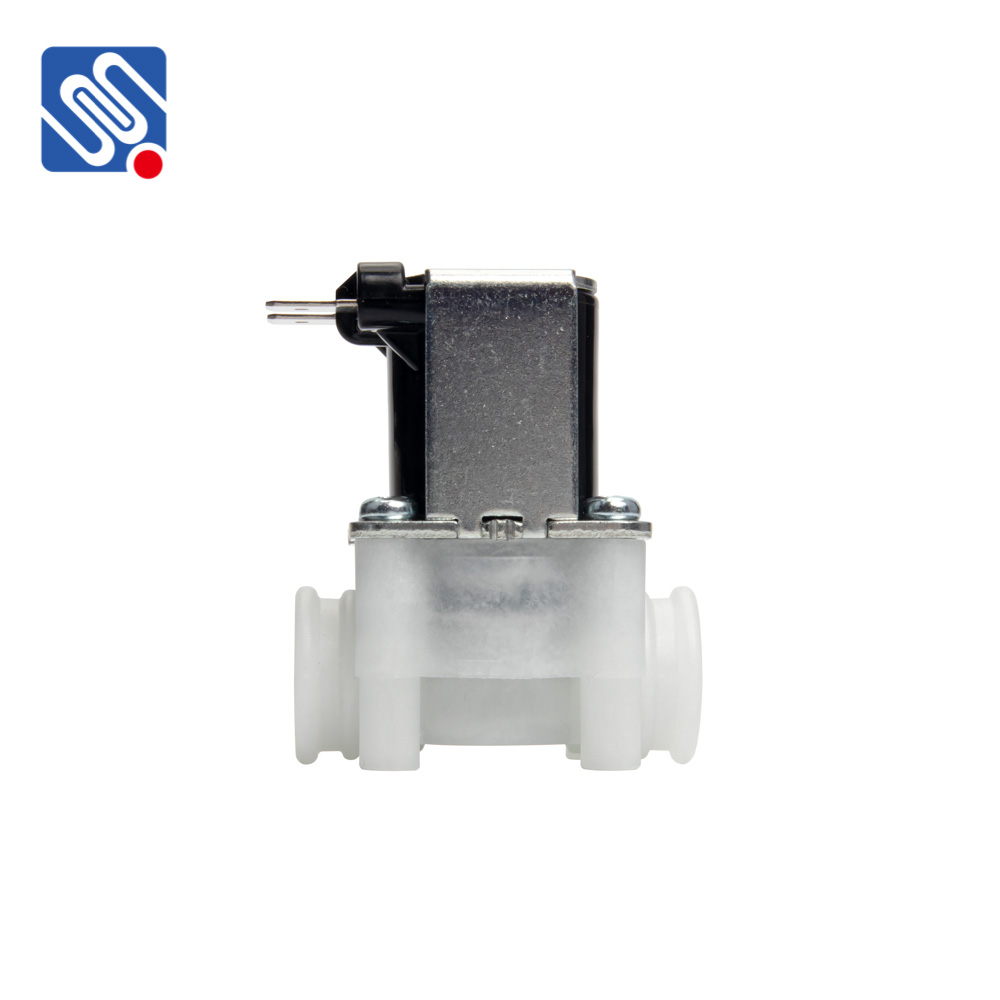
What is a PVC Solenoid Valve? A PVC solenoid valve is an electromechanical device that controls the flow of fluids through the opening and closing of a valve. Comprising a valve body typically made from polyvinyl chloride (PVC), a solenoid coil, and an actuator, these valves leverage an electromagnetic solenoid to either open or close the valve based on electrical input. This design allows for automatic and precise control over fluid movement, significantly enhancing operational efficiency in various systems. Working Principle The operation of a PVC solenoid valve hinges on its electric solenoid. When electrical current flows through the coil, it generates a magnetic field that pulls the valve’s plunger or actuator, leading to the opening of the valve and allowing fluid to flow through. Conversely, when the electrical current is switched off, a spring mechanism typically returns the plunger to its original position, closing the valve and stopping fluid flow. This binary operation makes it particularly effective for on/off flow control.