PVC solenoid valves are essential components used in fluid control systems across various industries, particularly where resistance to corrosion and durability are critical. PVC (polyvinyl chloride) is a widely used thermoplastic material, and when combined with the functionality of a solenoid valve, it creates a robust solution for controlling the flow of liquids and gases in demanding environments. This article explores the features, applications, and benefits of PVC solenoid valves, providing a comprehensive overview for those looking to understand their significance in modern industrial systems.
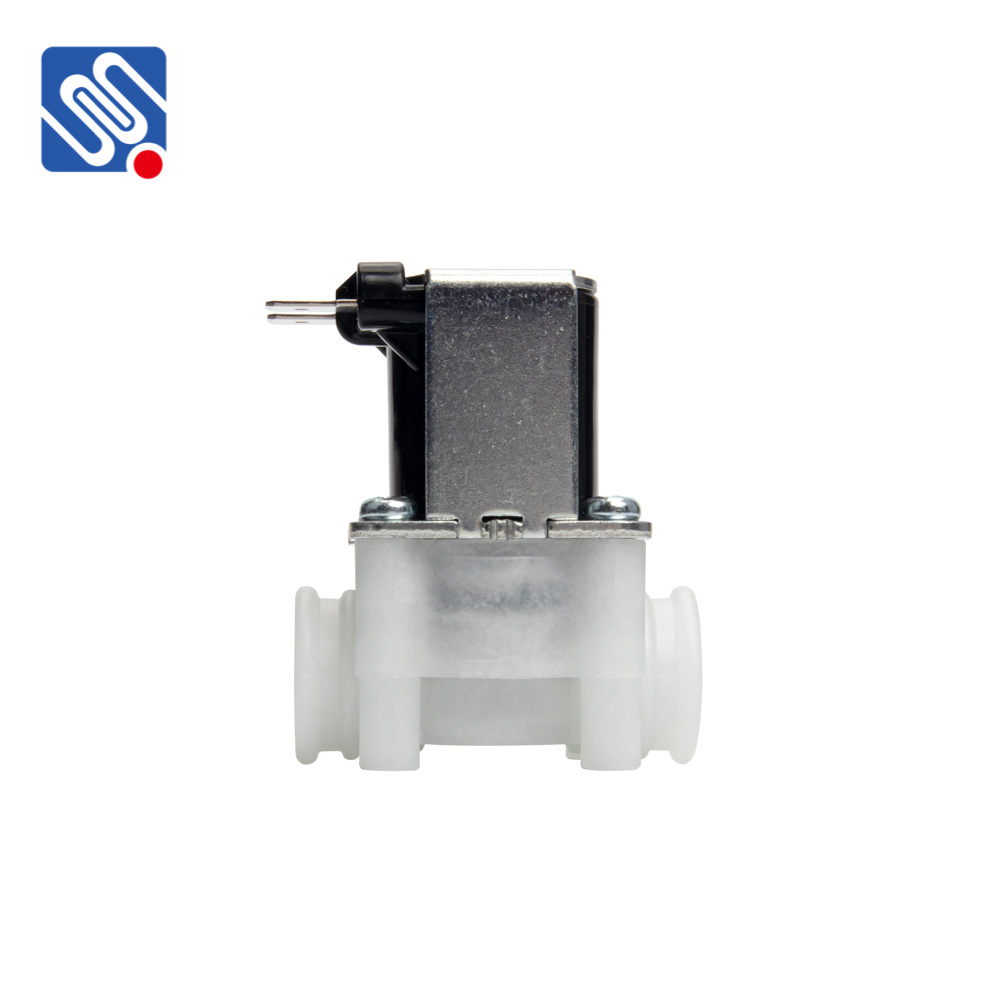
What is a PVC Solenoid Valve? A PVC solenoid valve is an electromechanical device designed to control the flow of fluids or gases through a pipeline. It consists of a solenoid (an electrical coil), a valve body made of PVC, and a moving component (valve plug or diaphragm) that opens or closes in response to the electromagnetic field generated by the solenoid. When electrical current flows through the coil, it creates a magnetic field that activates the valve, causing it to either open or close, allowing or stopping the flow of fluid. PVC solenoid valves are widely used because of the inherent properties of PVC, which include resistance to chemicals, corrosion, and high durability. These characteristics make PVC solenoid valves suitable for controlling fluids in aggressive environments, such as chemical processing, water treatment, and other industrial applications.