Relays are essential components in modern electrical systems, providing a means to control high voltage circuits with low voltage signals. These electromagnetic devices have a wide range of applications, from simple switches to more complex control mechanisms in industrial and automotive systems. Understanding the key relay characteristics is crucial for selecting the right relay for specific applications and ensuring reliable and efficient operation.
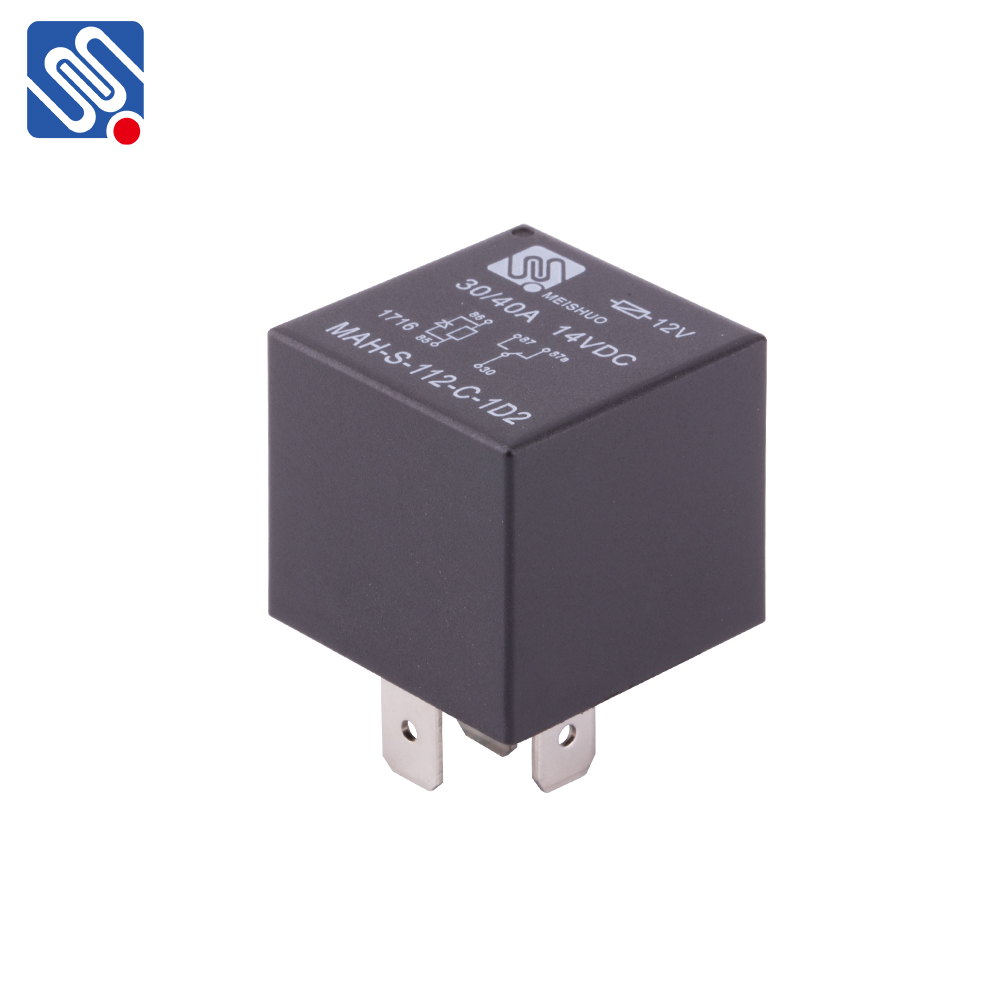
1. Coil Voltage The coil voltage, also known as the excitation voltage, is the voltage required to activate the relay. It determines the current that flows through the relay coil and generates a magnetic field that pulls or pushes the relay’s contacts. Typically, relays are designed for specific voltage levels such as 5V, 12V, 24V, or higher, depending on the application’s requirements. Ensuring the correct coil voltage is essential for reliable performance. Too high a voltage can overheat the coil, while too low can prevent the relay from activating properly. 2. Contact Configuration