Relays are indispensable components in many electrical and electronic systems. These devices act as electrically operated switches that allow low-power circuits to control high-power circuits. Their versatility makes them integral to applications ranging from automotive systems to industrial machinery. Understanding relay characteristics is essential to choosing the right relay for a given application, as these characteristics influence its performance, longevity, and reliability. In this article, we will explore the key relay characteristics and their significance in practical use.
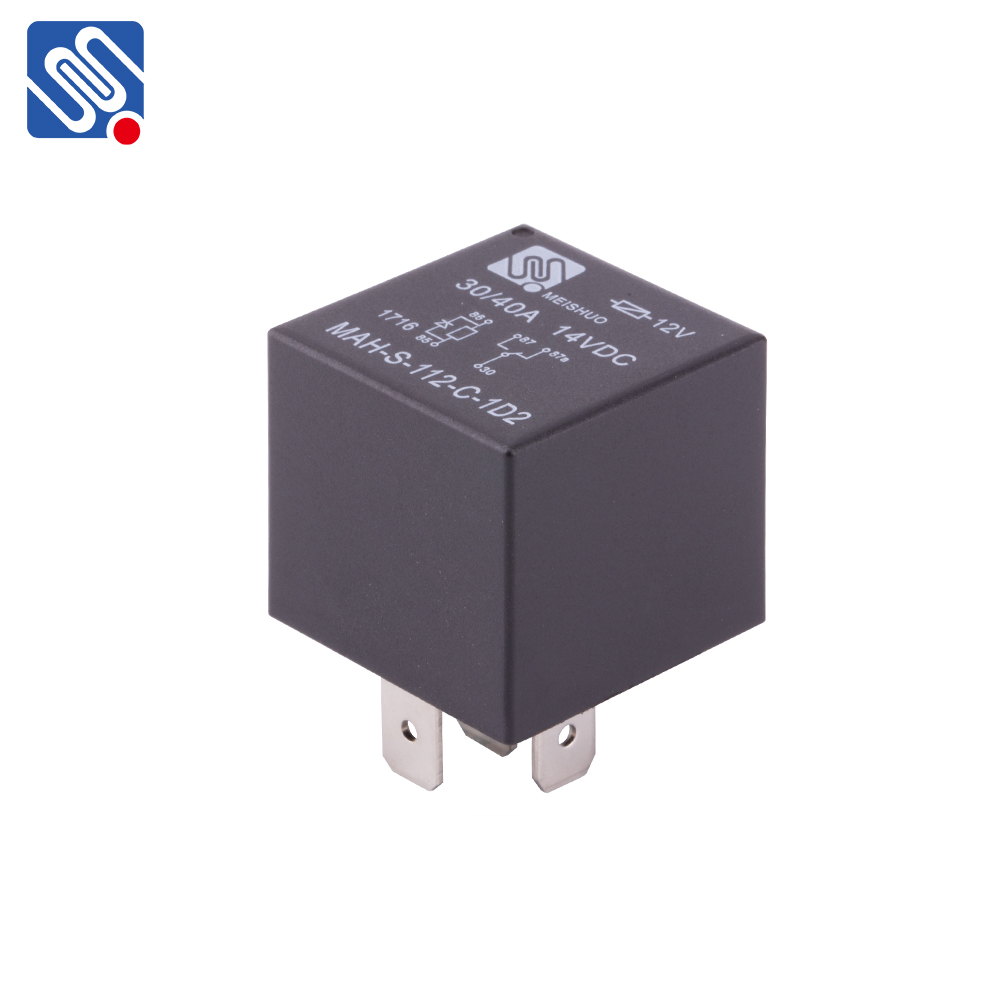
1. Pull-in and Drop-out Characteristics One of the primary characteristics of any relay is its pull-in and drop-out behavior. The pull-in characteristic refers to the minimum voltage or current required to activate the relay. This is the level at which the coil generates enough magnetic force to close the contacts, enabling the switching operation. On the other hand, the drop-out characteristic defines the minimum voltage or current needed to deactivate the relay. When the current or voltage drops