In the world of electrical engineering, one of the critical components ensuring the reliability and safety of electrical systems is relay circuit protection. Relays act as electromechanical switches that can control a high-power circuit with a low-power signal. By incorporating various protective measures, relay circuits help prevent damage from overcurrents, short circuits, and other electrical faults. This article explores the principles, components, and applications of relay circuit protection, highlighting its importance in modern electrical systems.
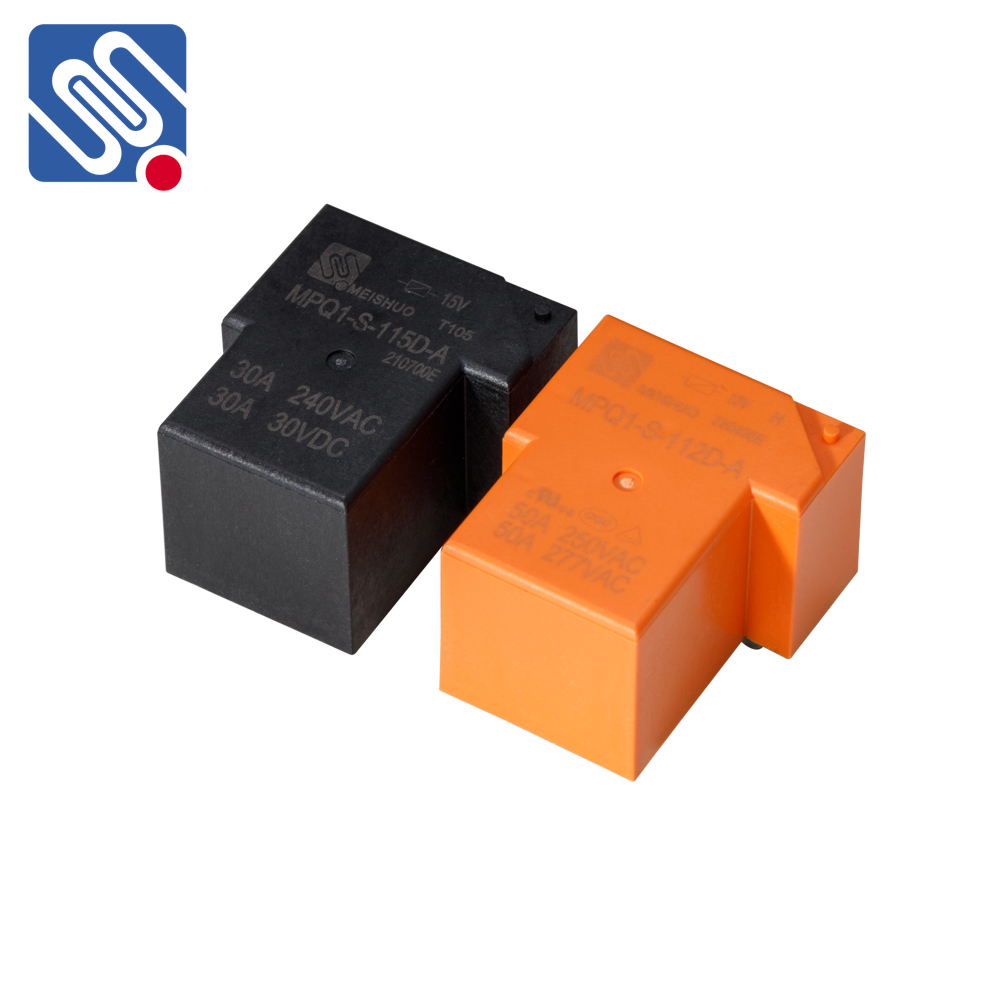
Principles of Relay Circuit Protection At the heart of relay circuit protection are several fundamental principles designed to mitigate the risks associated with electrical faults. The primary functions of relay protection include overload protection, short circuit protection, overvoltage protection, and undervoltage protection. Overload Protection: This aspect of circuit protection is crucial for safeguarding devices from excessive currents. Two common methods for providing overload protection include thermal relays and electronic overload relays. Thermal relays use a bimetallic strip that bends under heat generated by excessive current, ultimately opening the circuit when temperatures exceed a predefined threshold. Electronic overload relays, on the other hand, continuously monitor electrical current and can shut down the circuit in milliseconds if a preset limit is breached, thereby preventing harmful overheating.