Relay circuits are an indispensable part of modern electrical and electronic systems, enabling the control of high-power devices through low-power signals. These circuits leverage the fundamental principles of electromagnetism to create a reliable and efficient means of switching power on and off. In this article, we will explore the components, working principles, applications, advantages, and considerations involved in relay circuits.
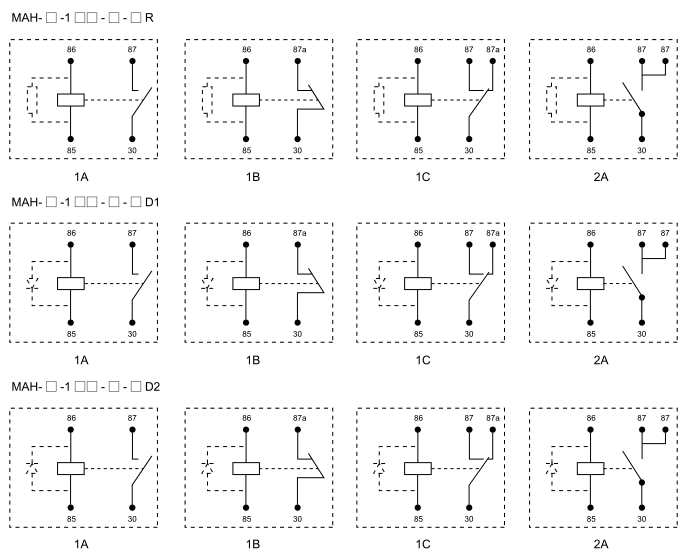
Components of a Relay Circuit A typical relay circuit consists of several key components: Electromagnet: The heart of the relay, the electromagnet, generates a magnetic field when an electric current passes through it. This field is essential for the operation of the relay. Contacts: These are conductive parts that open or close the circuit based on the action of the relay. Contacts are classified as Normally Open (NO) or Normally Closed (NC). NO contacts close when the relay is activated, while NC contacts open. Spring Mechanism: The spring ensures that the contacts return to their default position when the power is cut off, providing a return path for the circuit.