Relay components play a vital role in modern electronics and automation systems. These small but powerful devices allow for the control of high-power circuits using a low-power signal. Whether it’s controlling a motor, turning on lights, or automating an industrial process, relay components are integral to a wide variety of applications. In this article, we will explore the types, functions, and applications of relay components, shedding light on how they work and why they are so important in the world of electronics.
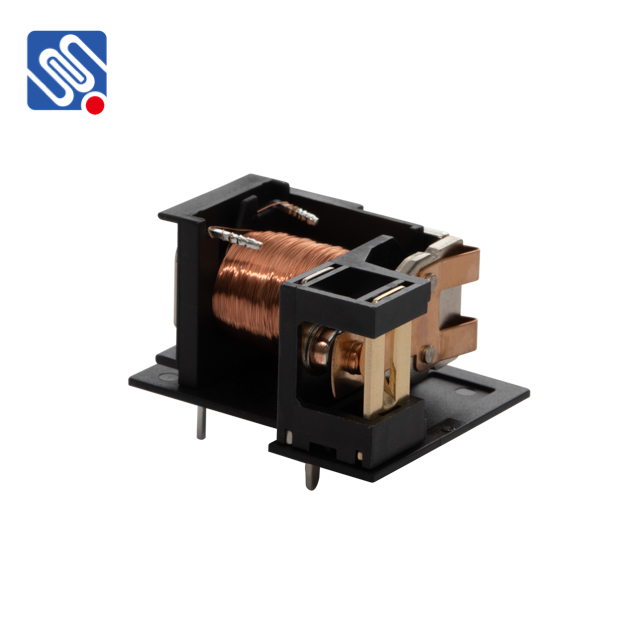
What are Relay Components? A relay is essentially an electrically operated switch. It consists of an electromagnet, a set of contacts, and a spring mechanism. When an electrical current flows through the electromagnet, it creates a magnetic field that either opens or closes the contacts, depending on the type of relay. This allows a low-power control circuit to switch on a high-power circuit, providing electrical isolation between the two. This makes relays extremely useful for protecting delicate control systems while managing powerful loads. Types of Relay Components There are several types of relay components, each designed for different uses. The most common types include: