Relay connections play a pivotal role in various electrical and automation systems, serving as the bridge between low-power control circuits and high-power operating circuits. These essential components are used to control the flow of electricity in a variety of applications, from industrial machinery to home appliances. In this article, we’ll explore the function, applications, and importance of relay connections in modern electrical systems.
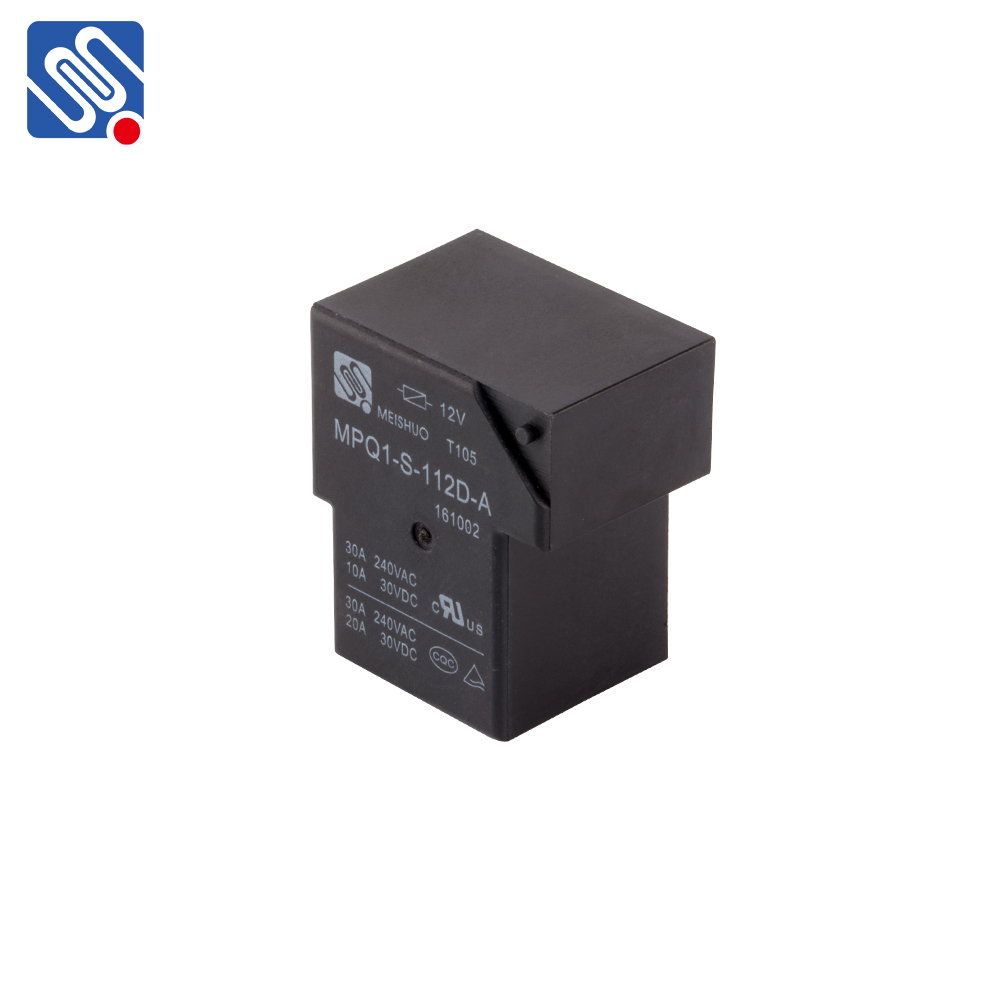
What Are Relay Connections? At its core, a relay is an electrically operated switch that uses an electromagnet to mechanically operate a set of contacts. When a small electrical current flows through the relay’s coil, it generates a magnetic field, which then causes the relay’s contacts to either close or open, depending on the design of the relay. This allows the relay to control larger currents and voltages that would be dangerous or impractical to directly control with a low-power signal. Relay connections, therefore, refer to the way these relays are wired into a system to control electrical circuits. They provide an efficient way to control high-voltage equipment with a low-voltage signal, offering both safety and flexibility. By using relay connections, systems can automatically switch between different electrical circuits, perform complex control tasks, or even protect sensitive equipment from power surges.