A Relay Control System is a crucial component in various automation and electrical control applications. It is based on the principle of using relays to control high-power circuits using low-power control signals. These systems are used in industries ranging from manufacturing to home appliances, where safety, precision, and automation are of utmost importance. In this article, we will explore the principles behind relay control systems, their components, how they operate, and their various applications.
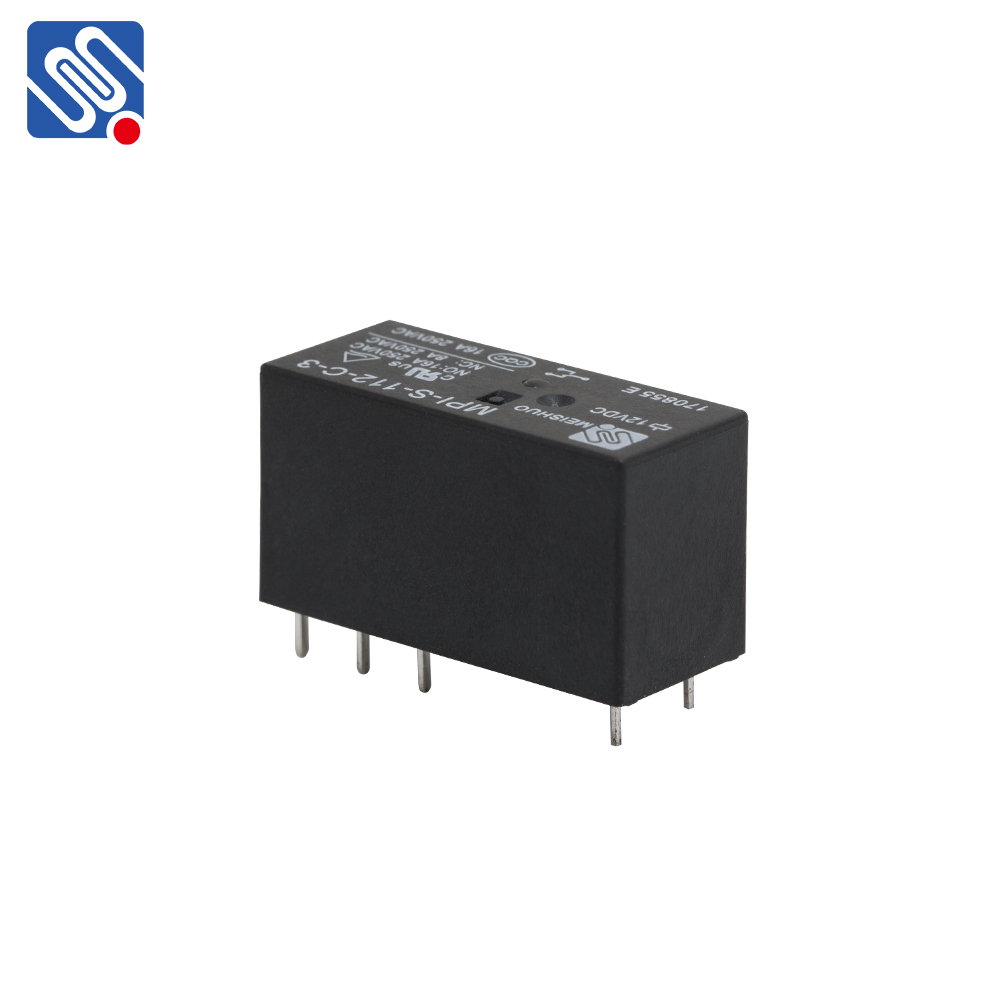
What is a Relay Control System? A Relay Control System consists of a relay or multiple relays, a control circuit, and a load circuit. The system is designed to control the on/off status of a larger electrical device or system by using a relatively smaller input signal. The relay, which acts as an electronic switch, opens or closes depending on the control signal it receives. This allows the relay control system to regulate high-voltage or high-current devices without requiring direct manual intervention, offering both safety and efficiency. Components of a Relay Control System Relay: The core component of the system. A relay is an electrically operated switch that opens or closes contacts based on the signal received from a low-power control circuit. There are different types of relays, such as electromagnetic, solid-state, and thermal relays, each designed for specific applications.