Relay current is a fundamental concept in electrical engineering, crucial for designing reliable control circuits and ensuring proper operation of electromechanical devices. Essentially, relay current refers to the electric current flowing through the coil of a relay, which generates the magnetic field necessary to actuate the contacts. Understanding its parameters and behavior is essential for engineers and technicians who work with relays in industrial, automotive, and household applications.
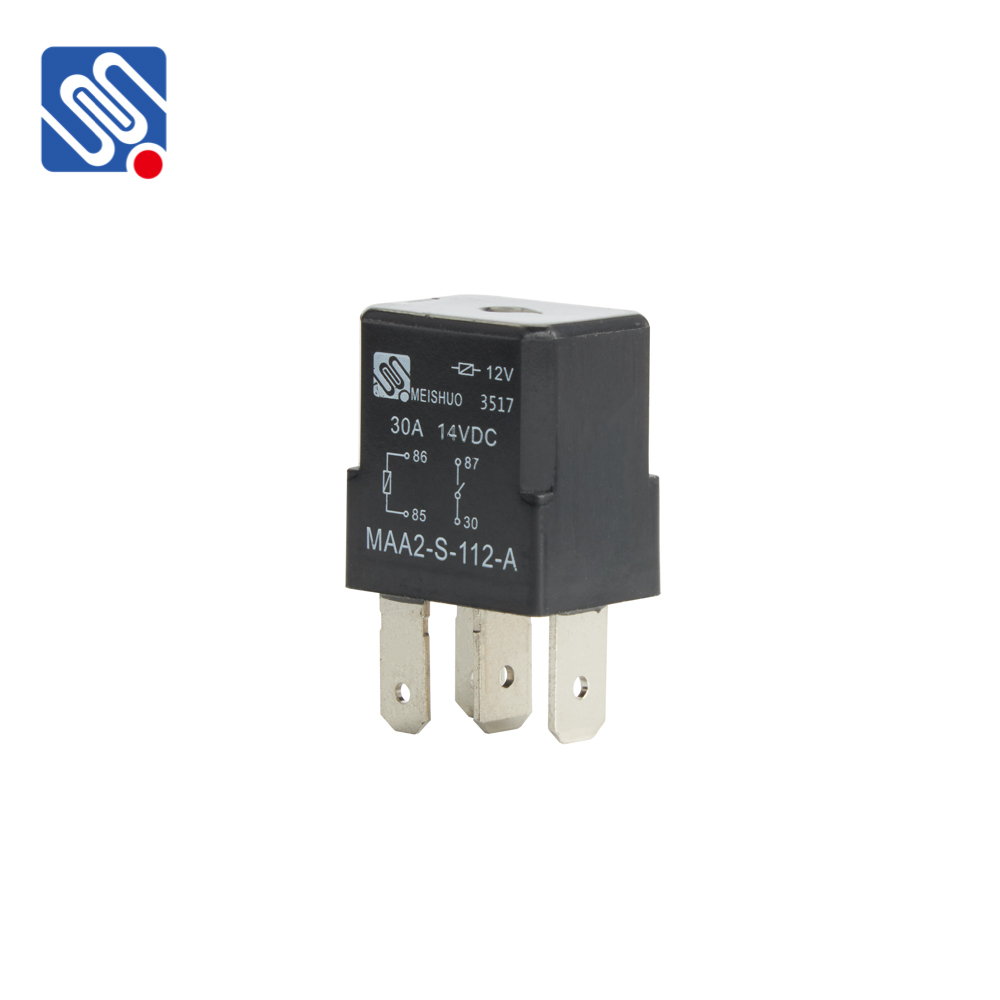
At its core, a relay is an electrically operated switch. It allows a low-power circuit to control a higher-power load without direct electrical connection. The relay coil, when energized by a current, produces a magnetic field that attracts a movable armature, closing or opening the contacts to control the connected load. The current flowing through this coil is what we refer to as relay current, and its characteristics directly impact the relay’s performance. One of the primary parameters of relay current is the rated coil current. This is the current the relay is designed to draw when operating at its specified voltage. For example, a relay rated at 12 volts DC might have a coil current of 40 milliamperes. Exceeding the rated current can lead to overheating, insulation damage, or even coil burnout. Conversely, supplying less than the required current may prevent the relay from actuating. Therefore, designers must carefully match the power supply and driver circuits to the relay’s rated current.