Relays are integral components in electronic and electrical systems, acting as switches that control the flow of electricity. One of the most critical specifications to consider when selecting a relay is its current rating. This rating indicates the maximum current a relay can safely handle without damage or performance degradation. Understanding the relay current rating is crucial for ensuring the longevity and reliability of a circuit, as well as for preventing potential hazards. In this article, we will delve into the significance of relay current rating, factors influencing it, and how to choose the right relay for your application.
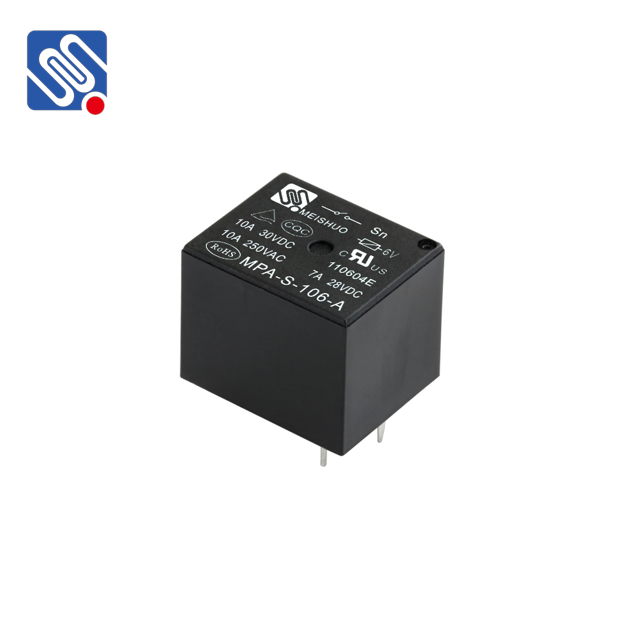
What is Relay Current Rating? Relay current rating refers to the maximum amount of electrical current that can flow through the relay contacts while maintaining safe and efficient operation. The relay consists of two primary parts: the coil (which is energized to activate the relay) and the contacts (which open or close to control the flow of electricity in the circuit). The current rating primarily pertains to the contacts—specifically, the maximum current they can safely carry while they are closed. For example, a relay might have a current rating of 10A at 120V AC. This means the relay can safely switch and carry up to 10 amperes of current at a voltage of 120 volts in an AC circuit. If the current exceeds this rating, the relay contacts may overheat, degrade, or fail entirely.