Relays are integral components in modern electrical systems, serving as electrical switches controlled by low-power signals. Used in applications ranging from industrial control to automotive systems, relays must meet stringent industry standards to ensure they perform reliably and safely under various operating conditions. These standards are designed to guide manufacturers in producing high-quality products that can withstand real-world challenges. In this article, we will explore the key relay industry standards and their significance.
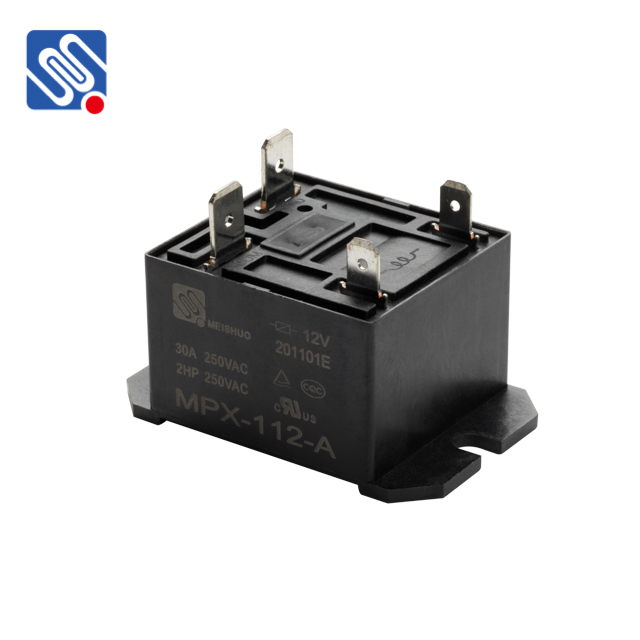
1. IEC 61810: The Global Standard for Relays The International Electrotechnical Commission (IEC) sets one of the most widely recognized standards for relays—IEC 61810. This standard defines the requirements for electromechanical and solid-state relays, including their design, performance, and testing. It specifies crucial parameters such as voltage, current, environmental conditions, and mechanical endurance that relays must meet to be deemed safe and reliable. IEC 61810 is divided into several parts, each addressing different relay types and their applications. For instance, part 1 focuses on general rules, part 2 on electromagnetic relays, and part 3 on solid-state relays. This comprehensive framework ensures that relays used in various applications, from industrial control systems to home appliances, are dependable and function effectively across a wide range of conditions.