Relays are crucial components in a multitude of electrical and electronic applications, serving as the backbone for automation, control, and protection systems. However, like any electromechanical device, relays have a limited operational life, commonly referred to as “relay lifespan.” This term encompasses various factors that determine how long a relay can effectively function before it fails. Understanding these factors is essential for engineers, designers, and users who rely on these devices for reliable performance.
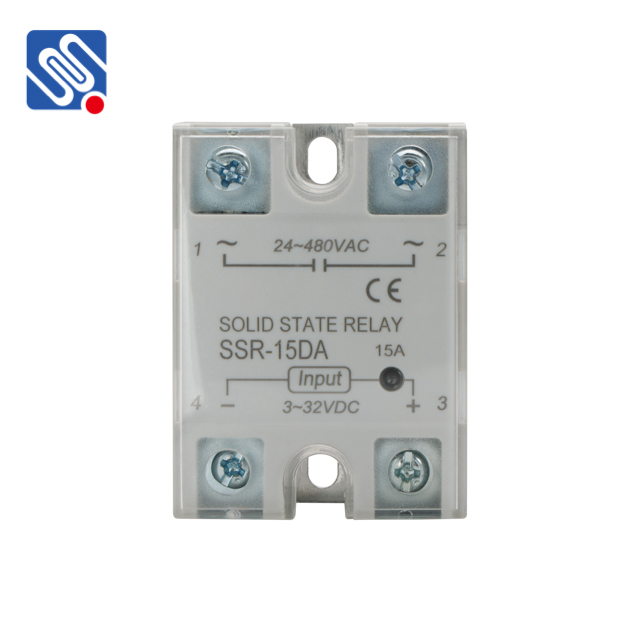
1. Mechanical vs. Electrical Lifespan One of the first considerations when discussing relay lifespan is the distinction between mechanical lifespan and electrical lifespan. The mechanical lifespan refers to the number of operations a relay can perform without load, typically measured in millions of cycles. This lifespan reflects the durability of the relay’s moving parts, including the armature, springs, and contacts. In contrast, the electrical lifespan pertains to the number of operations the relay can achieve while switching electrical loads. This lifespan is considerably shorter than its mechanical counterpart due to the wear and tear induced by electrical arcing, contact degradation, and thermal effects during operation. The terms often appear together in relay specifications, illustrating the potential disparity in lifespan based on usage conditions.