When it comes to electronic devices, the reliability and longevity of components are paramount for overall system performance. One such critical component is the relay, a type of electro-mechanical switch used extensively in various applications, from industrial machinery to household appliances. Understanding relay lifespan is essential for engineers, designers, and developers to ensure optimal functionality and reduce maintenance costs. This article delves into the factors influencing relay lifespan, including mechanical and electrical longevity, environmental effects, and maintenance practices.
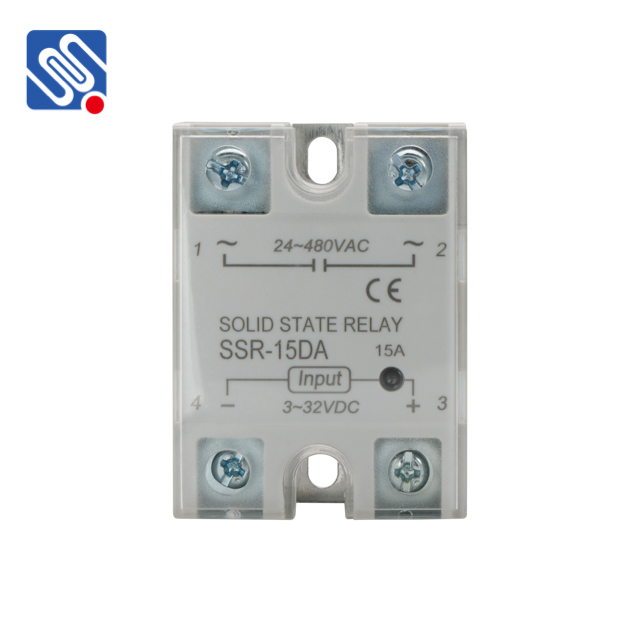
Mechanical Lifespan vs. Electrical Lifespan Relays are typically characterized by two types of lifespan: mechanical and electrical. The mechanical lifespan refers to the number of operations the relay can perform without load, essentially measuring how many times it can open and close before wear and tear begin to impact its functionality. This lifespan can often extend into millions of cycles, depending on the relay design and materials used. In contrast, the electrical lifespan measures the number of times the relay can switch under load conditions. This figure is significantly lower than the mechanical lifespan due to the wear and tear incurred during actual operation. The type of load—such as resistive, inductive, or capacitive—plays a crucial role in determining electrical lifespan. Inductive loads, for instance, produce electrical arcs during switching, leading to rapid degradation of the contacts and, consequently, a shorter lifespan.