Relay lifespan testing is a crucial process in evaluating the longevity and performance stability of relays in electrical systems. As integral components in automation and control systems, relays are used for switching electrical circuits on and off, and their reliability directly impacts the overall performance and safety of the systems in which they are deployed. With their mechanical and electrical functions, relays are subject to wear and tear over time, which is why testing their lifespan is essential to ensure they perform consistently without failure. This article explores the significance of relay lifespan testing, its methods, and why it is critical to maintain high reliability in electrical systems.
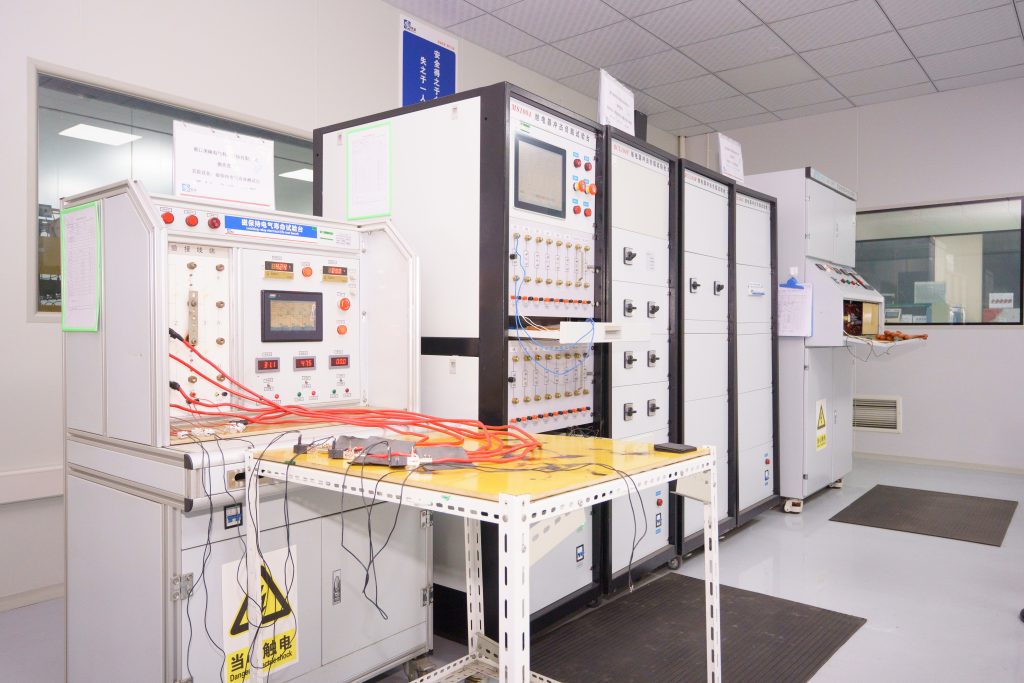
What is Relay Lifespan Testing? Relay lifespan testing refers to a series of tests designed to assess the ability of a relay to function effectively over a prolonged period. These tests simulate the real-world operational conditions a relay will face throughout its service life, including repeated electrical switching, mechanical movement, and exposure to various environmental factors. The goal is to determine the maximum number of cycles (switching operations) a relay can handle before experiencing a failure or a significant degradation in performance. The testing process helps engineers evaluate how different operating conditions, such as load size, voltage, temperature, and humidity, affect a relay’s performance. It also identifies potential failure modes, which can inform the design of more durable relays in future applications.