Relays are essential components in modern electrical and control systems, providing a mechanism for monitoring, protecting, and controlling systems. They are used to detect faults, abnormal conditions, or specific thresholds in electrical circuits, automatically responding to ensure system integrity. One of the most critical aspects of relay functionality is the relay parameters, which dictate how a relay behaves under various conditions. Understanding these parameters is crucial for system reliability, safety, and performance.
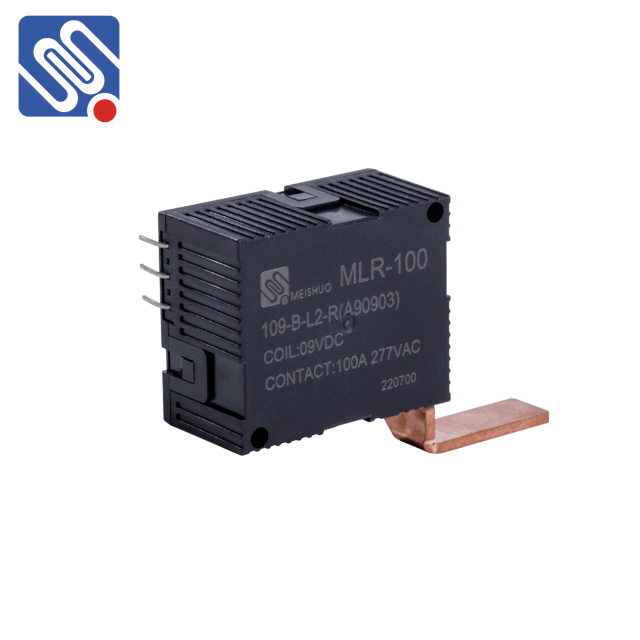
What Are Relay Parameters? Relay parameters refer to the configurable settings that define the operational characteristics of a relay. These parameters determine when a relay will activate, the conditions under which it responds, and the time delays before it takes action. The correct setting of relay parameters is vital because improper settings can lead to unnecessary tripping, false alarms, or, conversely, failure to respond to actual faults. Key Relay Parameters Trip Settings (Pickup Settings) The trip setting, or pickup setting, defines the threshold at which a relay will trigger a protective action, such as opening a circuit breaker. For example, in an overcurrent relay, the trip setting is the maximum current level that, when exceeded, will cause the relay to activate. This setting is critical because it ensures that the relay only responds to significant faults or abnormal conditions, avoiding nuisance trips during transient or minor fluctuations.