Relay parameters are essential in various electronic, network, and communication systems, where relays play a crucial role in switching, controlling, and transmitting signals. A relay is an electromechanical switch used to control one circuit by opening or closing contacts in another circuit, typically via an electrical input signal. Understanding the parameters that define how a relay operates is essential for ensuring proper functionality, safety, and efficiency in systems such as automation, telecommunications, and network management. This article delves into the importance of relay parameters in different contexts and provides insight into their key features.
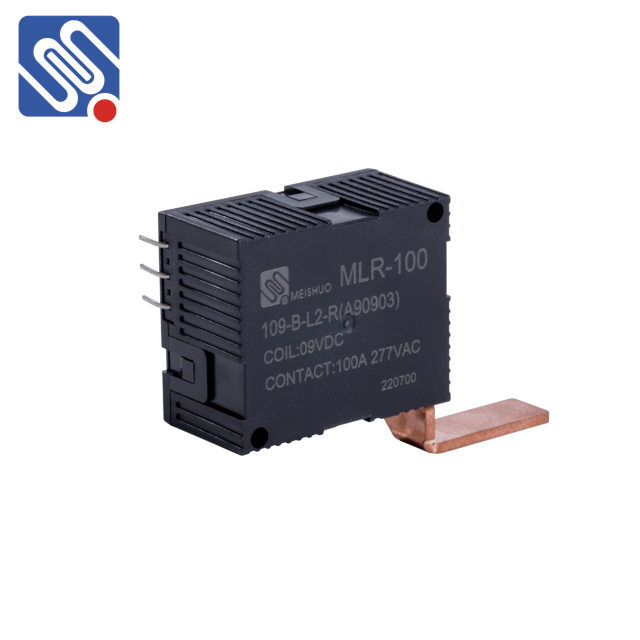
1. Relay Parameters in Electrical and Electronic Systems In the world of electrical engineering, relays are widely used for controlling power to devices, circuits, or machines. The key relay parameters in this domain include: Rated Voltage: The rated voltage is the maximum voltage that the relay can safely operate at. It is crucial to match the relay’s rated voltage with the voltage requirements of the system in which it is installed. If the voltage exceeds this rating, it could lead to relay damage or malfunction. Rated Current: This parameter defines the maximum current that the relay can safely handle when in operation. It is essential to ensure that the relay’s rated current matches the current requirements of the circuit it is controlling. Exceeding the rated current could cause overheating or failure of the relay.