Relay reliability is a critical factor in the functioning of many systems, from power grids to communication networks. A relay, typically a switch used to control electrical circuits, plays a crucial role in automating processes and ensuring that signals or power are transmitted properly within a system. Whether in industrial applications, telecommunication, or electrical power distribution, the reliability of a relay can make the difference between seamless operation and catastrophic failure. In this article, we will explore the different aspects of relay reliability, including its mechanical and electrical performance, environmental impact, failure modes, and testing protocols.
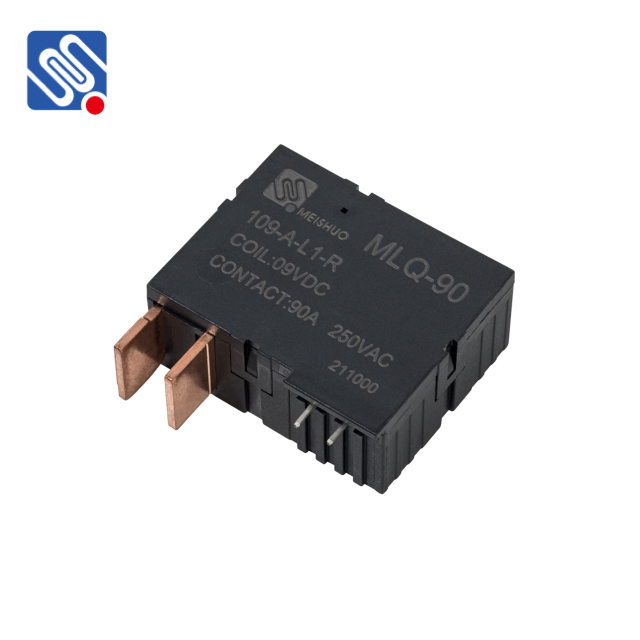
1. What is Relay Reliability? Relay reliability refers to the ability of a relay to perform its intended function over a defined period without failure. This includes its ability to withstand repeated mechanical operations, endure electrical stresses, and resist environmental factors like temperature and humidity. Essentially, a reliable relay must ensure accurate switching operations throughout its lifecycle, ensuring that it can be counted on for both immediate and long-term system performance. 2. Mechanical Reliability: Durability and Longevity The mechanical reliability of a relay is largely influenced by its components, particularly the contact mechanism. A typical relay consists of a coil, contacts, and a spring mechanism. When an electrical signal energizes the coil, it creates a magnetic field that attracts or repels the contacts, thereby opening or closing the circuit.