Relay reliability is a critical aspect of any electrical or communication system, as it directly impacts the stability, safety, and overall performance of these systems. Relays are used extensively in applications ranging from industrial automation to power distribution networks, making their consistent and dependable operation paramount. This article delves into the key factors that influence relay reliability and why understanding these factors is essential for ensuring long-term performance.
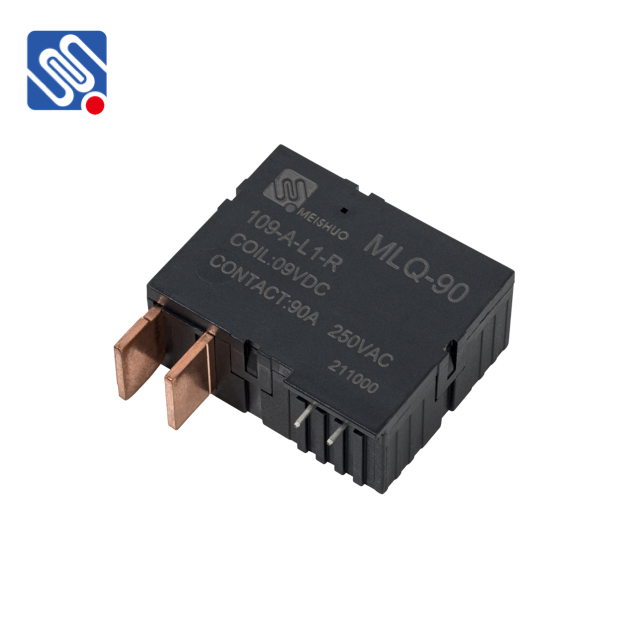
What is Relay Reliability? Relay reliability refers to the ability of a relay to perform its intended function over an extended period without failure. It is a measure of how well the relay can consistently switch electrical circuits, activate mechanisms, or control processes under varying conditions. The failure of a relay can lead to serious disruptions in systems, ranging from minor inconveniences to catastrophic failures in critical infrastructure. In electrical systems, relays act as switches that open and close circuits, often based on specific electrical parameters like voltage, current, or temperature. These devices help protect equipment, manage power distribution, and ensure the safe operation of machines. Given their vital role, relay reliability becomes a cornerstone for the effective functioning of any system that depends on electrical switching.