Relay signals play a vital role in modern electrical systems, serving as a bridge between control circuits and high-power applications. These signals allow for the precise control of high-voltage or high-current devices by using low-voltage control circuits. In this article, we will explore the fundamental principles of relay signals, their types, applications, and how they contribute to the efficiency of control systems in various industries.
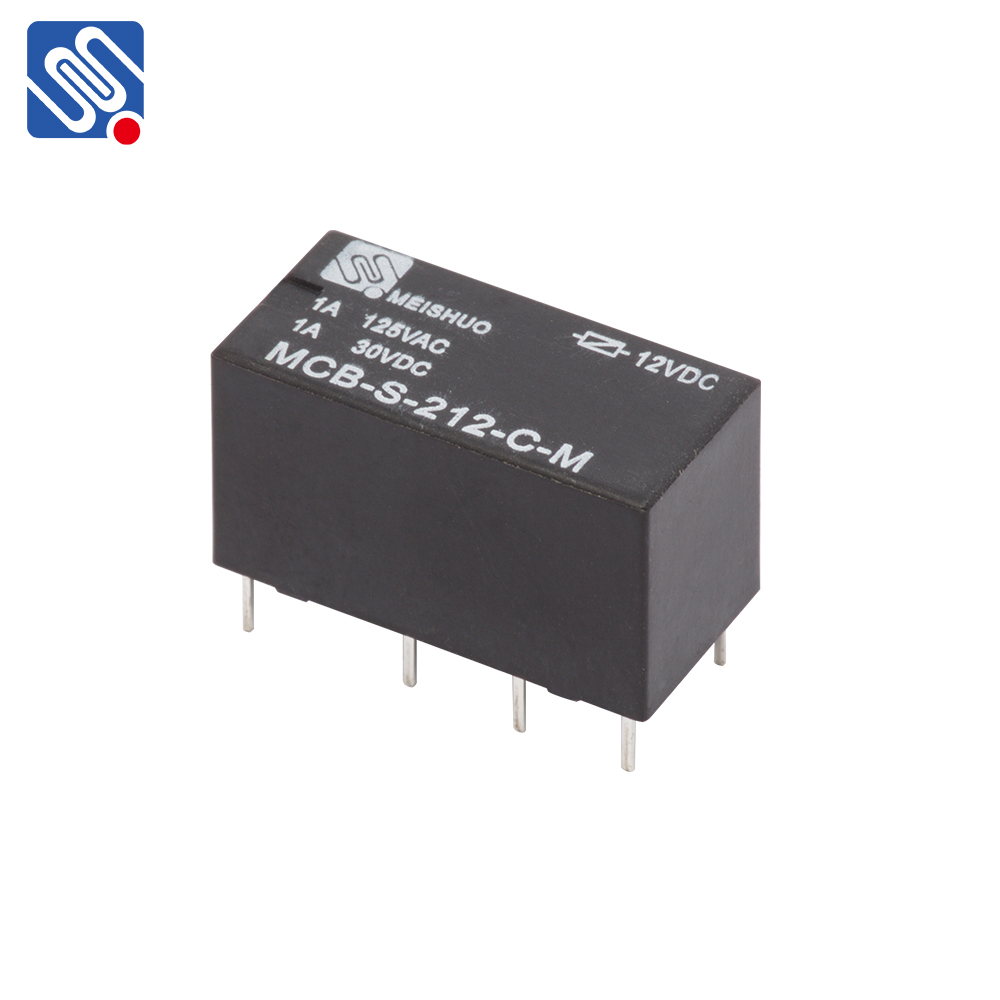
What Are Relay Signals? A relay is essentially an electromagnetic switch. When a control circuit sends a low-voltage signal (such as a 12V DC or 24V DC), the relay’s coil is energized, creating a magnetic field. This magnetic field activates the mechanical components of the relay, causing the switch’s contacts to either open or close, thereby controlling the power to a connected device. The signal that triggers this action is known as a “relay signal.” There are two primary types of contacts in a relay: Normally Open (NO): These contacts remain open when the relay is not energized. When the relay receives a signal, the contacts close, completing the circuit.