Relay signals are essential components in modern electrical control systems, acting as the bridge between low-voltage control circuits and high-voltage power circuits. These signals enable automated systems to switch devices, ensuring efficiency, reliability, and safety in a variety of industrial, automotive, and home applications. In this article, we’ll dive into what relay signals are, their types, how they work, and where they are used.
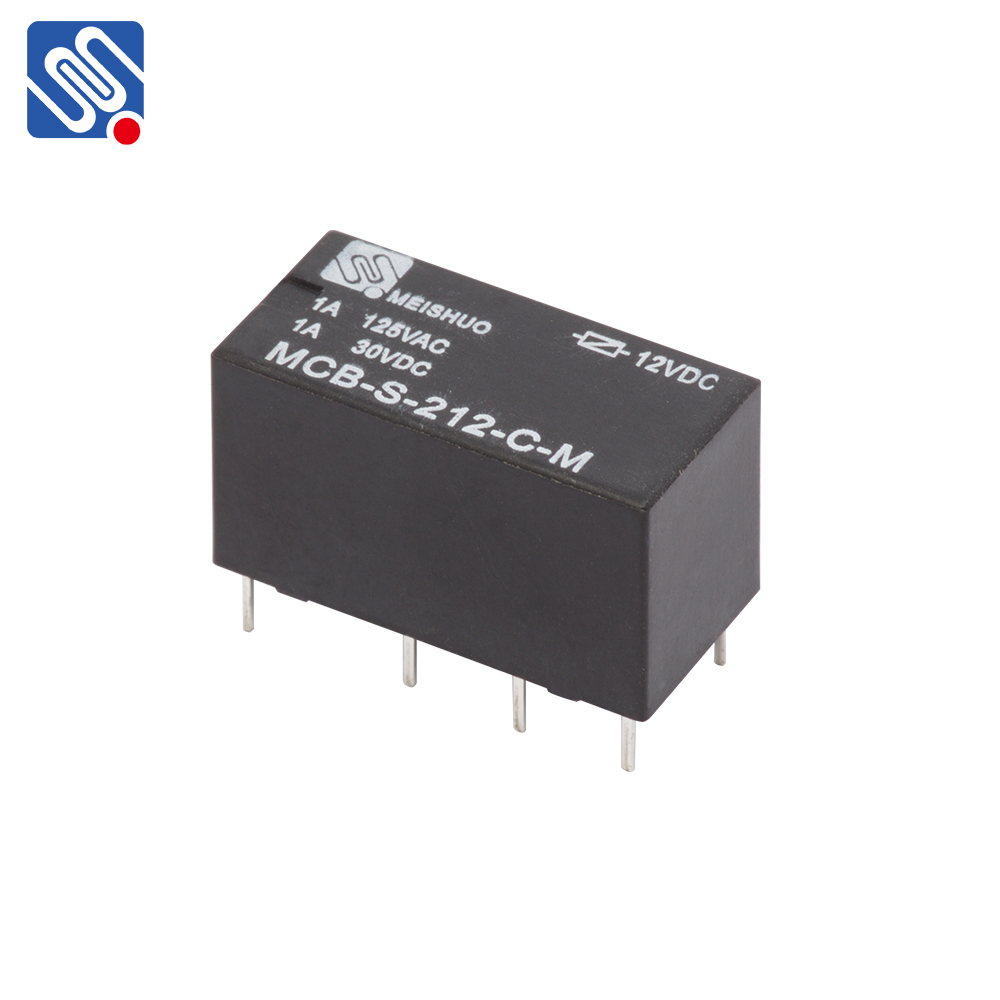
What Are Relay Signals? Relay signals are electrical signals used to control relays, which are electromechanical devices that open or close circuits in response to an electrical current. Essentially, these signals are inputs or outputs that allow relays to operate switches. When a relay is activated by an electrical signal, it triggers the movement of the switch inside, which either completes or breaks the electrical circuit. A typical relay has two main components: a coil (which receives the relay signal) and one or more sets of contacts (which control the power circuit). The coil is powered by a low-voltage signal (often 5V to 24V), while the contacts control higher-voltage circuits that might be running at 120V, 240V, or even higher. This makes relays incredibly useful for interfacing low-voltage control systems with high-power devices without risk to the operator.